
Recognizing Brake Failure: Key Warning Signs and Essential Actions for Vehicle Safety
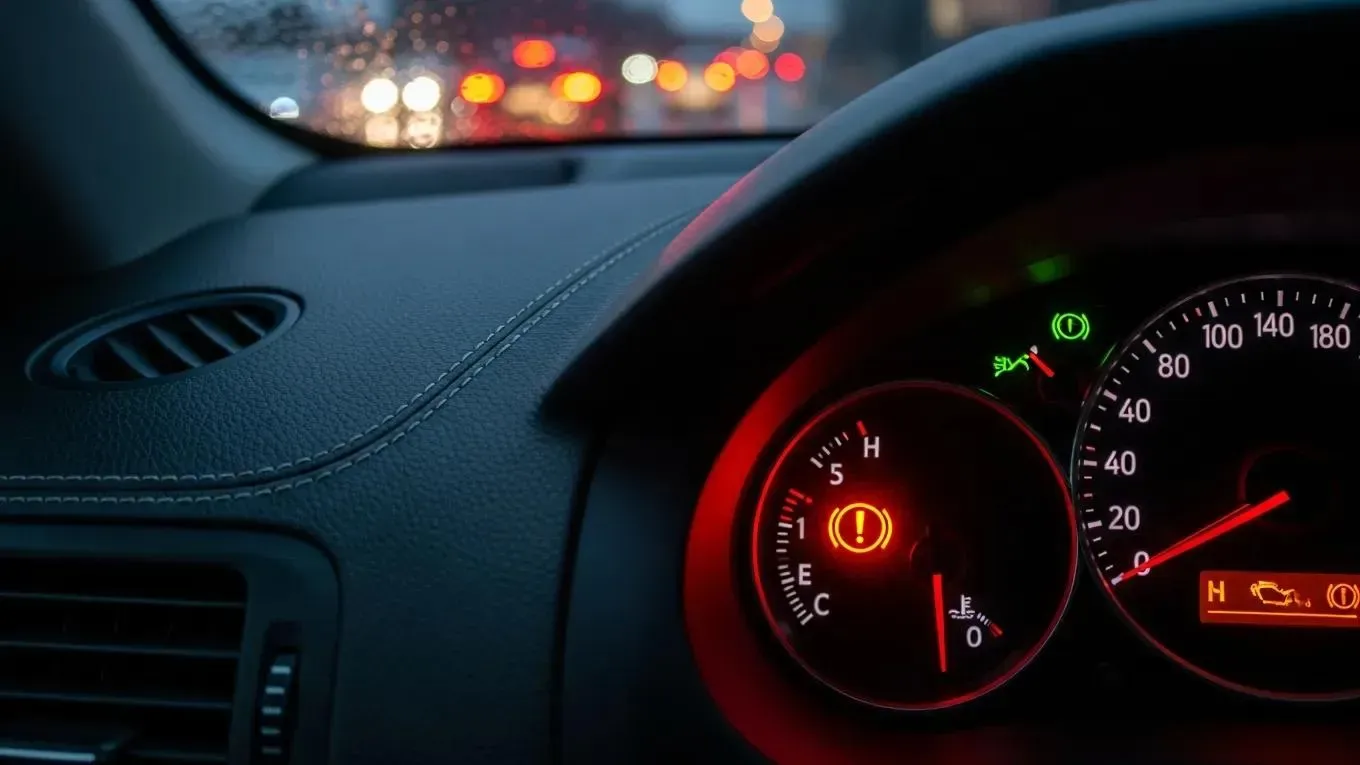
Brake failure is a critical issue that can jeopardize vehicle safety and lead to severe accidents. Understanding the warning signs of brake failure is essential for every driver, as it allows for timely intervention and maintenance. This article will explore the key symptoms of brake failure, the mechanisms behind these issues, and the necessary actions to take when experiencing brake problems. By recognizing these signs early, drivers can ensure their safety and the safety of others on the road.
In this guide, we will cover the most common symptoms of brake failure, how car pulling when braking indicates underlying issues, the causes of brake noise, and the implications of brake fluid leaks. Additionally, we will discuss the importance of seeking professional help and how Ledgewood Car Care and Exhaust can assist with brake system repairs.
What Are the Most Common Symptoms of Brake Failure?
Identifying the symptoms of brake failure is crucial for maintaining vehicle safety. Common signs include an odd feeling when pushing the brake pedal, a pulsing sensation in the brake pedal, and grinding or squeaking sounds. These symptoms indicate potential issues within the brake system that require immediate attention.
- Odd Feeling When Pushing the Pedal: A change in the pedal's resistance can signal brake problems.
- Pulsing Sensation in the Brake Pedal: This may indicate issues with the brake rotors or calipers.
- Grinding or Squeaking Sounds: Unusual noises often suggest worn brake pads or other mechanical failures.
If you notice any of these symptoms, it is essential to consult a professional mechanic to diagnose and address the issue promptly. Ledgewood Car Care and Exhaust specializes in brake system diagnostics and repairs, ensuring your vehicle remains safe on the road.
How Does Car Pulling When Braking Indicate Brake Issues?
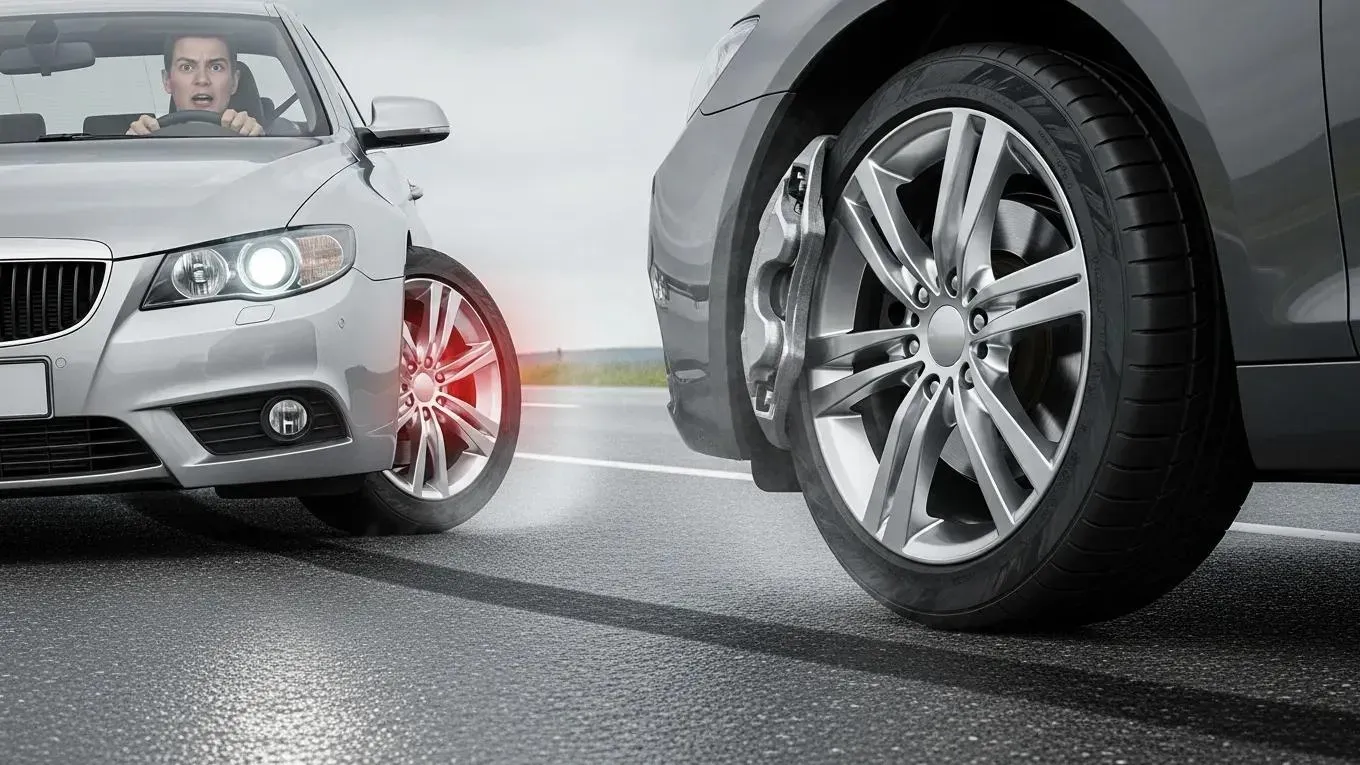
Car pulling when braking is a significant indicator of brake problems. This phenomenon often results from uneven brake pad wear, brake caliper issues, or brake fluid problems. When the vehicle pulls to one side, it can compromise stopping power and increase the risk of accidents.
Uneven brake pad wear can occur due to misalignment or improper installation, leading to one side of the vehicle braking more effectively than the other. Similarly, a malfunctioning brake caliper may not apply equal pressure to the brake pads, causing the vehicle to pull. Lastly, brake fluid problems, such as contamination or low fluid levels, can also contribute to this issue.
What Causes Brake Noise and How to Diagnose It?
Brake noise can stem from various issues within the brake system. Common causes include worn brake pads, brake rotor issues, and brake fluid contamination. Diagnosing the source of the noise is essential for effective repairs.
- Worn Brake Pads: As brake pads wear down, they can produce squeaking or grinding sounds, indicating they need replacement.
- Brake Rotor Issues: Warped or damaged rotors can cause vibrations and noise during braking.
- Brake Fluid Contamination: Contaminated brake fluid can lead to reduced braking efficiency and unusual sounds.
Addressing these issues promptly can prevent further damage to the brake system and ensure safe vehicle operation.
What Are the Primary Causes Behind Brake Pedal Sinking and Soft Pedal Feel?
A sinking or soft brake pedal can indicate serious brake system issues. Common causes include brake fluid leaks, air in the brake lines, and master cylinder failure. Understanding these causes is vital for maintaining brake performance.
- Brake Fluid Leaks: Leaks can lead to a loss of hydraulic pressure, resulting in a soft pedal feel.
- Air in the Brake Lines: Air bubbles can prevent the brake system from functioning correctly, causing the pedal to sink.
- Master Cylinder Failure: A malfunctioning master cylinder can compromise brake fluid distribution, leading to pedal issues.
If you experience a soft brake pedal, it is crucial to seek professional assistance to diagnose and resolve the problem.
How Do Brake Fluid Leaks Affect Pedal Performance?
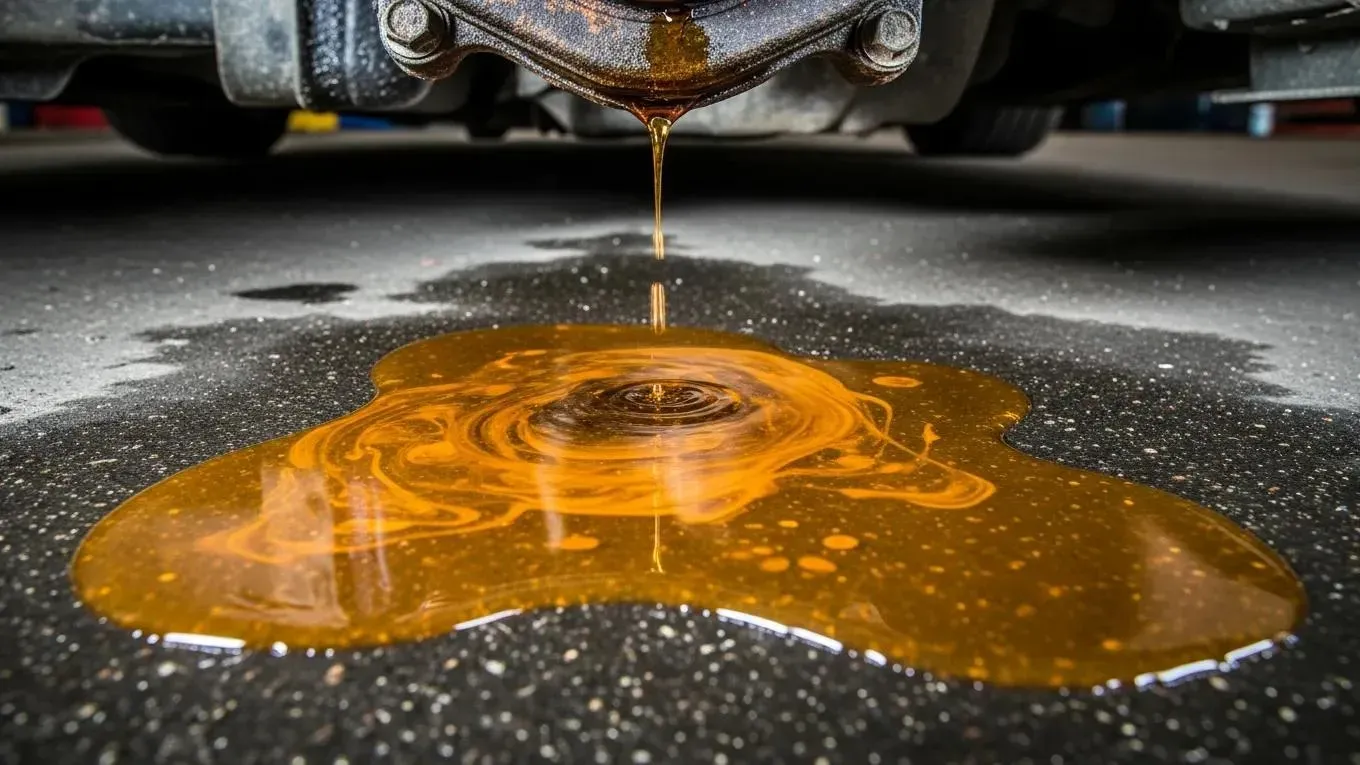
Brake fluid leaks significantly impact pedal performance and overall braking efficiency. When brake fluid leaks, it can lead to a soft or spongy brake pedal, increased stopping distance, and visible fluid leaks under the vehicle.
- Soft or Spongy Brake Pedal: A lack of hydraulic pressure due to fluid loss can make it difficult to engage the brakes effectively.
- Increased Stopping Distance: Insufficient brake fluid can result in longer stopping distances, increasing the risk of accidents.
- Visible Fluid Leaks: Spotting brake fluid under the vehicle is a clear sign of a leak that requires immediate attention.
Addressing brake fluid leaks promptly is essential for maintaining safe braking performance.
What Does the ABS Warning Light Mean for Brake Safety?
The ABS (Anti-lock Braking System) warning light is an important indicator of potential brake system issues. When this light illuminates, it signifies that there may be problems with the ABS system, which can affect braking efficiency and safety.
- Indicates ABS System Issues: The warning light suggests that the ABS may not be functioning correctly, which can lead to reduced braking control.
- Potential for Reduced Braking Efficiency: If the ABS is compromised, the vehicle may not stop as effectively, especially in slippery conditions.
- Need for Immediate Inspection: Drivers should seek professional help as soon as the ABS warning light appears to prevent further complications.
What Immediate Actions Should You Take When Experiencing Brake Failure Symptoms?
When experiencing symptoms of brake failure, it is crucial to act quickly to ensure safety. Here are immediate actions to take:
- Stay Calm and Avoid Sudden Movements: Maintain control of the vehicle and avoid abrupt steering or braking.
- Pump the Brake Pedal: If the pedal feels soft, pumping it may help restore some braking power.
- Use the Emergency Brake Carefully: If necessary, engage the emergency brake to slow down the vehicle gradually.
These steps can help you manage a brake failure situation until you can reach a safe location or seek professional assistance.
When Is It Necessary to Seek Professional Brake Repair Services?
Recognizing when to seek professional brake repair services is essential for vehicle safety. If you experience any of the following symptoms, it is time to consult a mechanic:
- Odd Feeling When Pressing the Brake Pedal: Any unusual resistance or feedback from the pedal should be investigated.
- Pulsing Sensation in the Brake Pedal: This can indicate rotor issues that require professional attention.
- Grinding or Squeaking Sounds: These noises often signal worn components that need replacement.
Ledgewood Car Care and Exhaust offers
comprehensive brake inspections and repairs to address these issues effectively.
How Can Ledgewood Car Care and Exhaust Assist with Brake System Repairs?
Ledgewood Car Care and Exhaust is a local automotive repair and maintenance service provider in Ledgewood, NJ, specializing in comprehensive vehicle care, including brake system diagnostics and repairs. Our services include:
- Brake Inspections: Thorough assessments to identify potential issues within the brake system.
- Brake Repairs: Professional repairs to restore brake functionality and safety.
- Brake Fluid Service: Ensuring proper fluid levels and quality for optimal brake performance.
By choosing Ledgewood Car Care and Exhaust, you can ensure your vehicle's brake system is in top condition, providing peace of mind on the road.