
Comprehensive Seasonal Tire Change Guide: Expert Winter and Summer Tire Installation and Maintenance

Seasonal tire changes are essential for maintaining vehicle safety and performance throughout the year. Understanding when to switch between winter and summer tires can significantly impact your driving experience, especially in regions with varying weather conditions. This guide will provide you with expert insights into the timing, benefits, and best practices for seasonal tire changes. You will learn about the indicators for winter tire installation, the advantages of summer tires, and how to access reliable tire change services in your area. Additionally, we will cover best practices for tire storage and maintenance to ensure your tires perform optimally.
When Should You Schedule Your Winter Tire Installation?
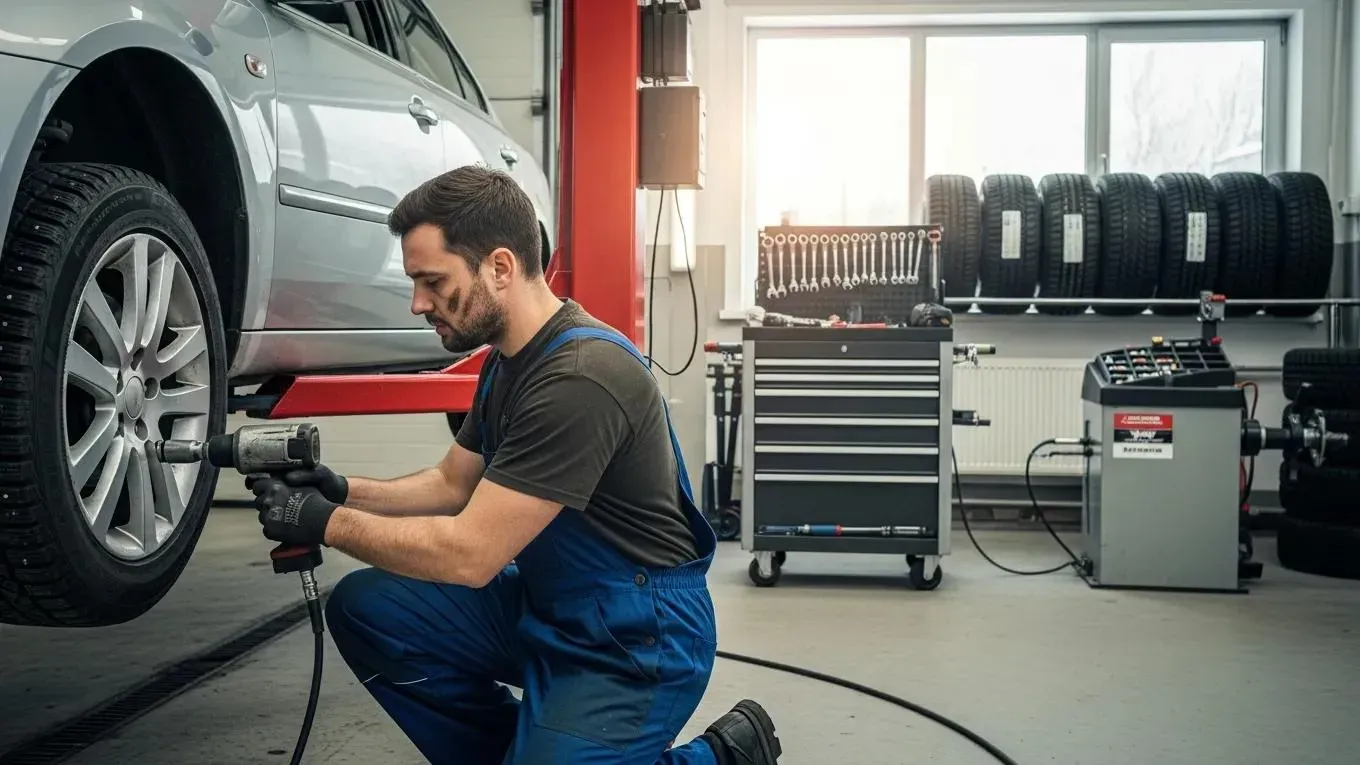
Scheduling your winter tire installation is crucial for ensuring safety during colder months. The ideal time to switch to winter tires typically coincides with the first significant drop in temperature, usually around 40°F to 45°F (4°C to 7°C). This is when the rubber compounds in winter tires begin to perform optimally, providing better traction on cold, icy, or snowy roads.
Key Indicators for Timely Winter Tire Changes
Several key indicators can help you determine the right time for a winter tire change. First, monitor the temperature; when it consistently drops below 40°F, it's time to consider switching. Additionally, check the tread depth of your current tires; if it falls below 4/32 of an inch, winter tires will provide better grip and safety. Lastly, local weather forecasts can guide your decision, especially if snow or ice is predicted.
Research further emphasizes the critical role of winter tire design and maintenance in ensuring optimal performance, especially concerning wear and cold weather conditions.
Local Weather Patterns Impacting Tire Swap Timing
Local weather patterns play a significant role in determining the best time for a winter tire swap. For instance, areas that experience early snowfall or prolonged cold spells may require earlier tire changes. Historical weather data can provide insights into typical seasonal trends, helping you plan your tire changes effectively. Understanding these patterns ensures that you are prepared for the conditions that may arise.
What Are the Essential Benefits of Summer Tires?
Summer tires offer distinct advantages over winter and all-season tires, particularly in warm weather conditions. They are designed to provide superior handling, shorter braking distances, and enhanced performance on both dry and wet roads.
This distinction is further underscored by studies highlighting the significant safety risks and compromised braking performance when winter tires are used in warm weather.
Performance Advantages of Summer Tires in Warm Conditions
Summer tires excel in warm conditions due to their specialized tread designs and rubber compounds. These tires feature a shallower tread depth and fewer grooves, which enhances contact with the road surface, resulting in improved handling and responsiveness. Additionally, summer tires maintain their performance in wet conditions, reducing the risk of hydroplaning and providing better traction.
Maintenance Tips to Maximize Summer Tire Lifespan
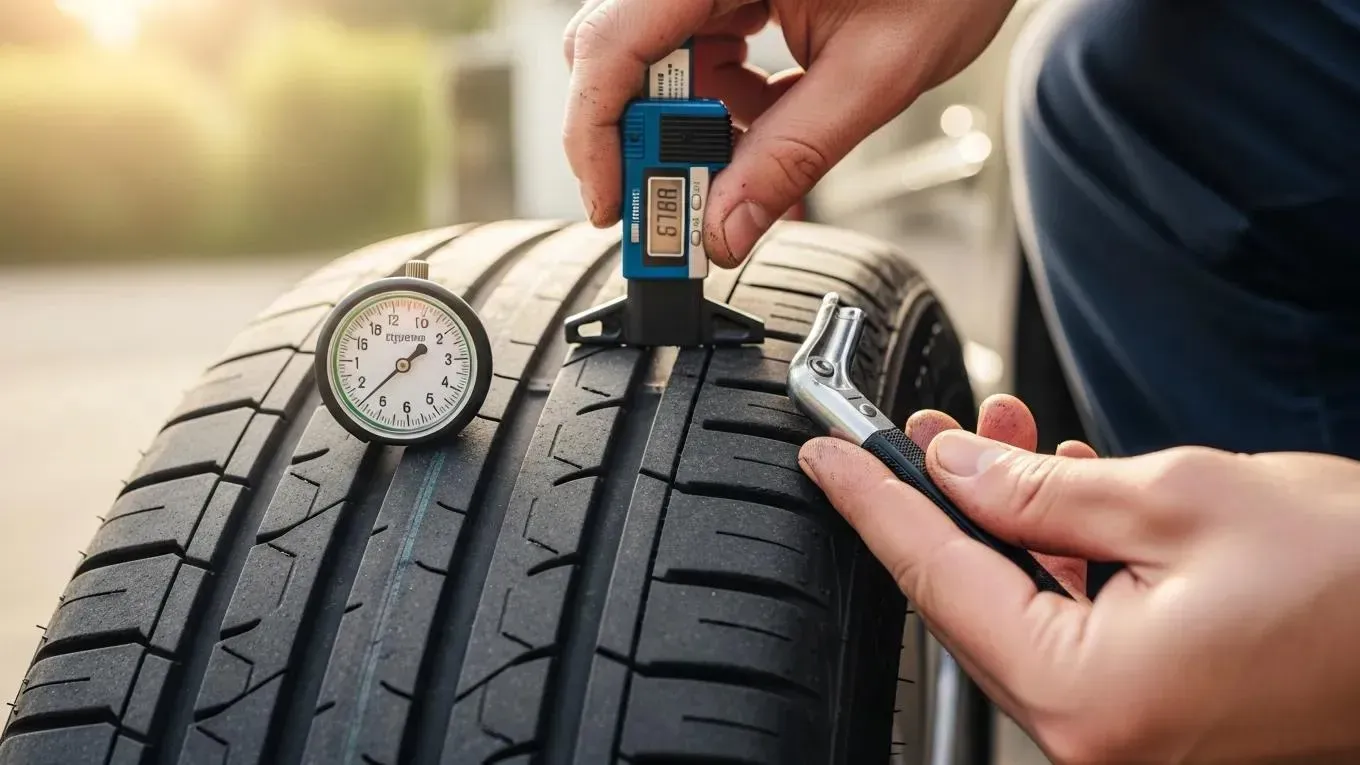
To ensure the longevity of your summer tires, regular maintenance is essential. Here are some key tips:
- Regular Pressure Checks: Maintain the recommended tire pressure to optimize performance and fuel efficiency.
- Tread Depth Monitoring: Regularly check the tread depth to ensure adequate grip and safety.
- Rotation and Alignment: Rotate your tires every 5,000 to 7,500 miles and check alignment to promote even wear.
By following these maintenance tips, you can extend the lifespan of your summer tires and enhance your vehicle's performance.
How Can You Access Reliable Tire Change Services Near Me?
Finding reliable tire change services is crucial for ensuring your vehicle is equipped with the right tires for the season. Local automotive service providers can offer expert assistance in tire installation and maintenance.
Professional Seasonal Tire Swap Services in Ledgewood NJ
In Ledgewood, NJ, Ledgewood Car Care and Exhaust specializes in comprehensive tire services, including seasonal tire swaps. Their experienced technicians can help you choose the right tires for your vehicle and ensure proper installation.
What to Expect During a Tire Mounting and Balancing Appointment
During a tire mounting and balancing appointment, you can expect a thorough inspection of your tires and wheels. The technician will remove your old tires, mount the new ones, and balance them to ensure even weight distribution. This process typically takes about 1-2 hours, depending on the number of tires being changed. Proper balancing is essential for a smooth ride and to prevent uneven tire wear.
What Are Best Practices for Tire Storage and Maintenance?
Proper tire storage and maintenance are vital for ensuring your tires remain in good condition when not in use. Following best practices can help you maximize the lifespan and performance of your tires.
Proper Storage Techniques for Winter and Summer Tires
When storing tires, keep them in a cool, dry place away from direct sunlight. If possible, store them upright to prevent deformation. For tires mounted on rims, stack them horizontally, but ensure they are not too tightly packed to avoid pressure points. Using tire covers can also protect them from dust and UV damage.
Routine Tire Maintenance Tips to Ensure Safety and Performance
Regular maintenance is key to tire safety and performance. Here are some essential practices:
- Visual Inspections: Regularly check for signs of wear, cracks, or bulges.
- Pressure Checks: Ensure tires are inflated to the manufacturer's recommended pressure.
- Alignment Checks: Have your alignment checked periodically to prevent uneven wear.
By adhering to these best practices, you can ensure that your tires remain safe and effective throughout their lifespan.
Emphasizing the broader impact of these practices, research confirms that diligent tire maintenance, including proper inflation and tread depth, significantly contributes to overall road safety and performance.