
How Tire Pressure Affects Fuel Economy and Vehicle Safety
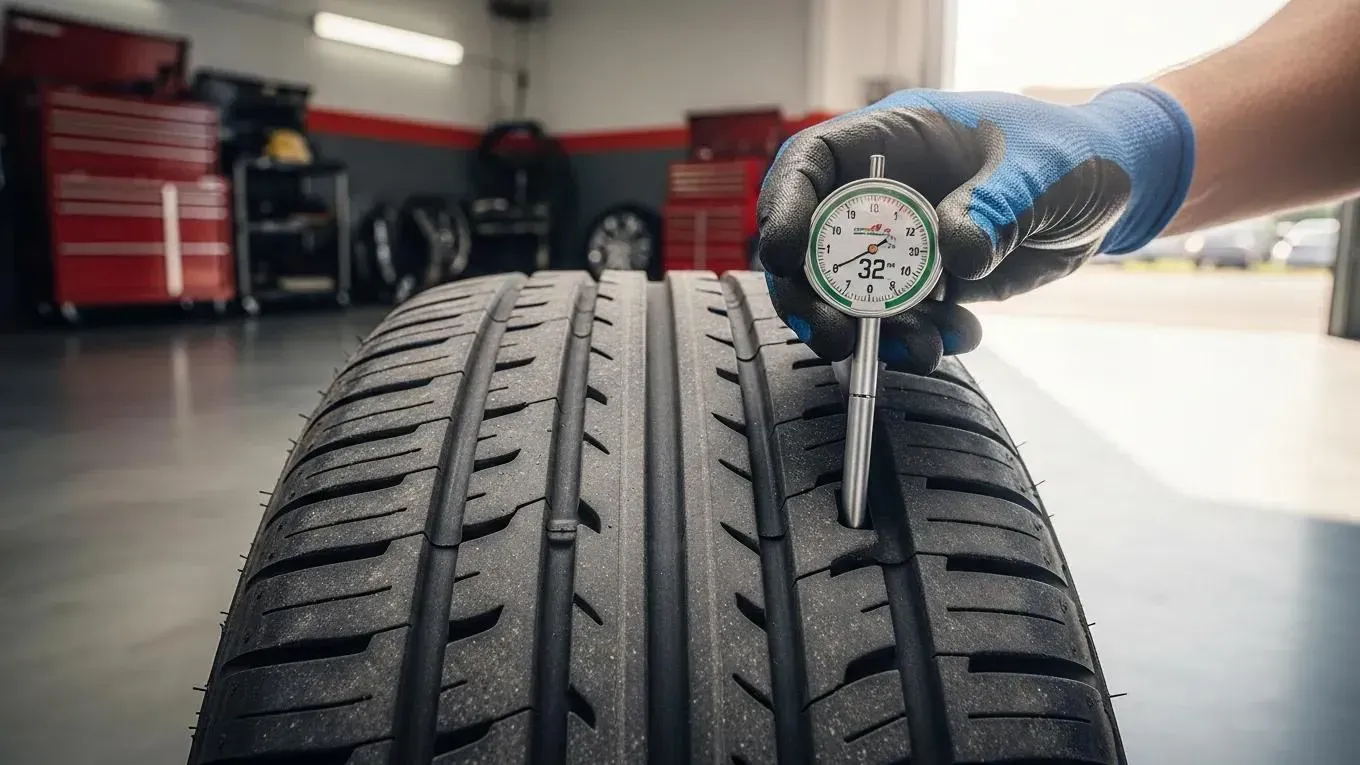
Maintaining proper tire pressure is crucial for both fuel economy and vehicle safety. When tires are inflated to the correct levels, they can significantly enhance fuel efficiency, reduce wear, and improve handling. Conversely, incorrect tire pressure can lead to increased fuel consumption and heightened safety risks. This article will explore the relationship between tire pressure, fuel economy, and vehicle safety, providing essential insights for drivers. We will discuss the importance of maintaining optimal tire pressure, the effects of low and high tire pressure on safety, and practical tips for checking and maintaining tire pressure. Additionally, we will highlight where Ledgewood drivers can access professional tire pressure services.
Why Is Maintaining Proper Tire Pressure Crucial for Fuel Efficiency?
Proper tire pressure is essential for maximizing fuel efficiency. When tires are inflated to the recommended levels, they reduce rolling resistance, which is the force that opposes the motion of the vehicle. This reduction in resistance allows the engine to operate more efficiently, leading to improved mileage and lower fuel consumption. Conversely, under-inflated tires can increase rolling resistance, causing the engine to work harder and consume more fuel.
Research further emphasizes the multifaceted impact of proper tire inflation on vehicle performance and longevity.
How Does Optimal Tire Pressure Improve Mileage and Reduce Fuel Consumption?
Optimal tire pressure directly influences fuel economy by minimizing rolling resistance. For instance, studies have shown that maintaining tires at their recommended pressure can improve fuel efficiency by up to 3%. This means that a vehicle that typically achieves 25 miles per gallon could potentially reach 25.75 miles per gallon with properly inflated tires. Additionally, under-inflated tires can lead to increased tire wear, which not only affects safety but also results in more frequent replacements, further impacting overall costs.
The broader implications of tire efficiency extend to environmental benefits and sustainable automotive practices.
What Are the Recommended Tire Pressure Levels for Maximum Fuel Savings?
The recommended tire pressure levels vary by vehicle type and can typically be found in the owner's manual or on a sticker located on the driver's side door jamb. Generally, most passenger vehicles require a tire pressure of 32 to 35 PSI (pounds per square inch). It's important for drivers to regularly check their tire pressure, especially before long trips or during seasonal changes, to ensure they are operating at maximum efficiency.
What Are the Effects of Low and High Tire Pressure on Vehicle Safety?
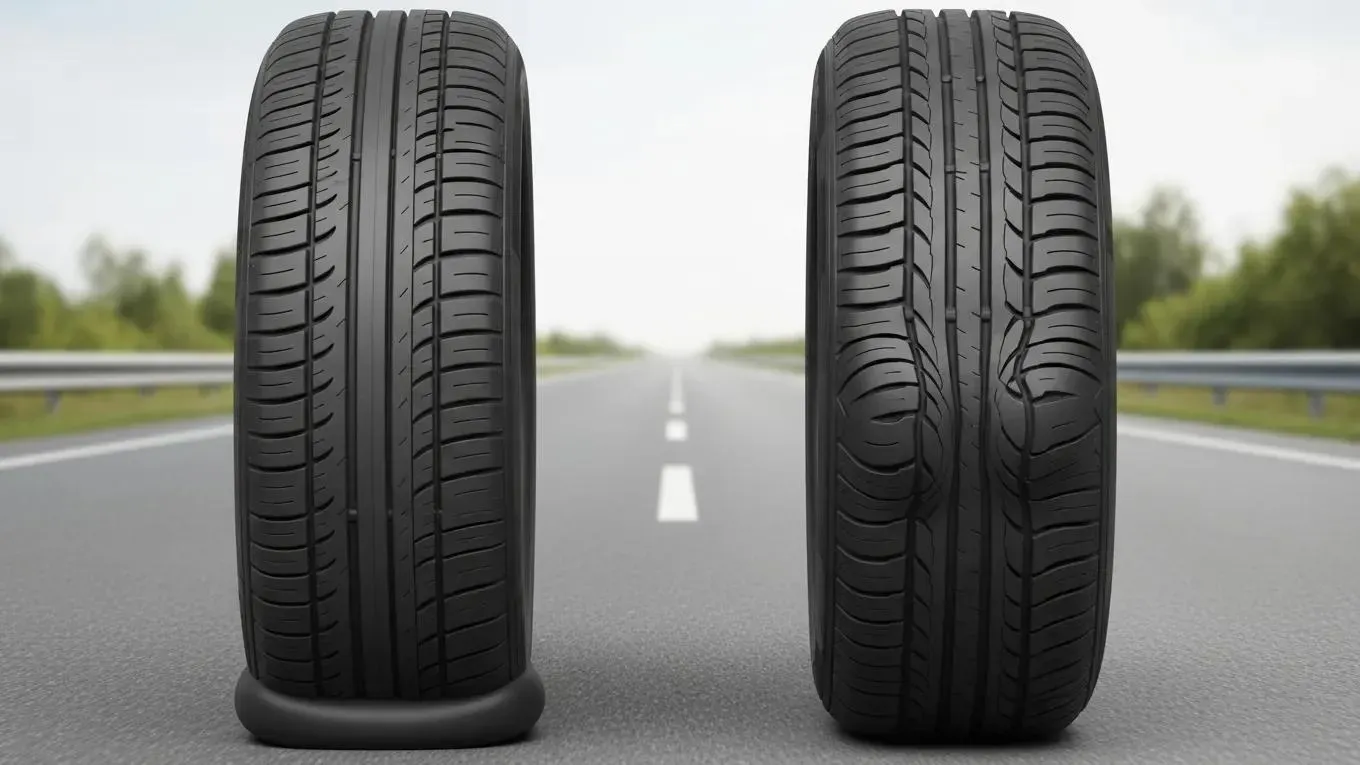
Both low and high tire pressure can pose significant safety risks. Under-inflated tires can lead to decreased traction, longer stopping distances, and an increased likelihood of tire blowouts. On the other hand, over-inflated tires can result in a harsher ride, reduced contact with the road, and increased wear in the center of the tire tread.
How Does Underinflated Tire Pressure Increase Accident Risks?
Under-inflated tires can increase the risk of accidents due to several factors. For example, a study indicated that vehicles with tires inflated below the recommended levels are three times more likely to be involved in a crash. This is primarily because low tire pressure can lead to poor handling and reduced braking performance, making it difficult for drivers to maintain control in emergency situations.
Further studies corroborate the critical link between improper tire inflation and heightened accident risks.
What Safety Issues Arise from Overinflated Tires?
Over-inflated tires can also create safety hazards. When tires are inflated beyond their recommended levels, they become rigid and less able to absorb road shocks. This can lead to a loss of traction, especially in wet conditions, increasing the risk of skidding or hydroplaning. Additionally, over-inflated tires wear unevenly, which can lead to premature tire failure.
How Can Drivers Effectively Check and Maintain Tire Pressure?
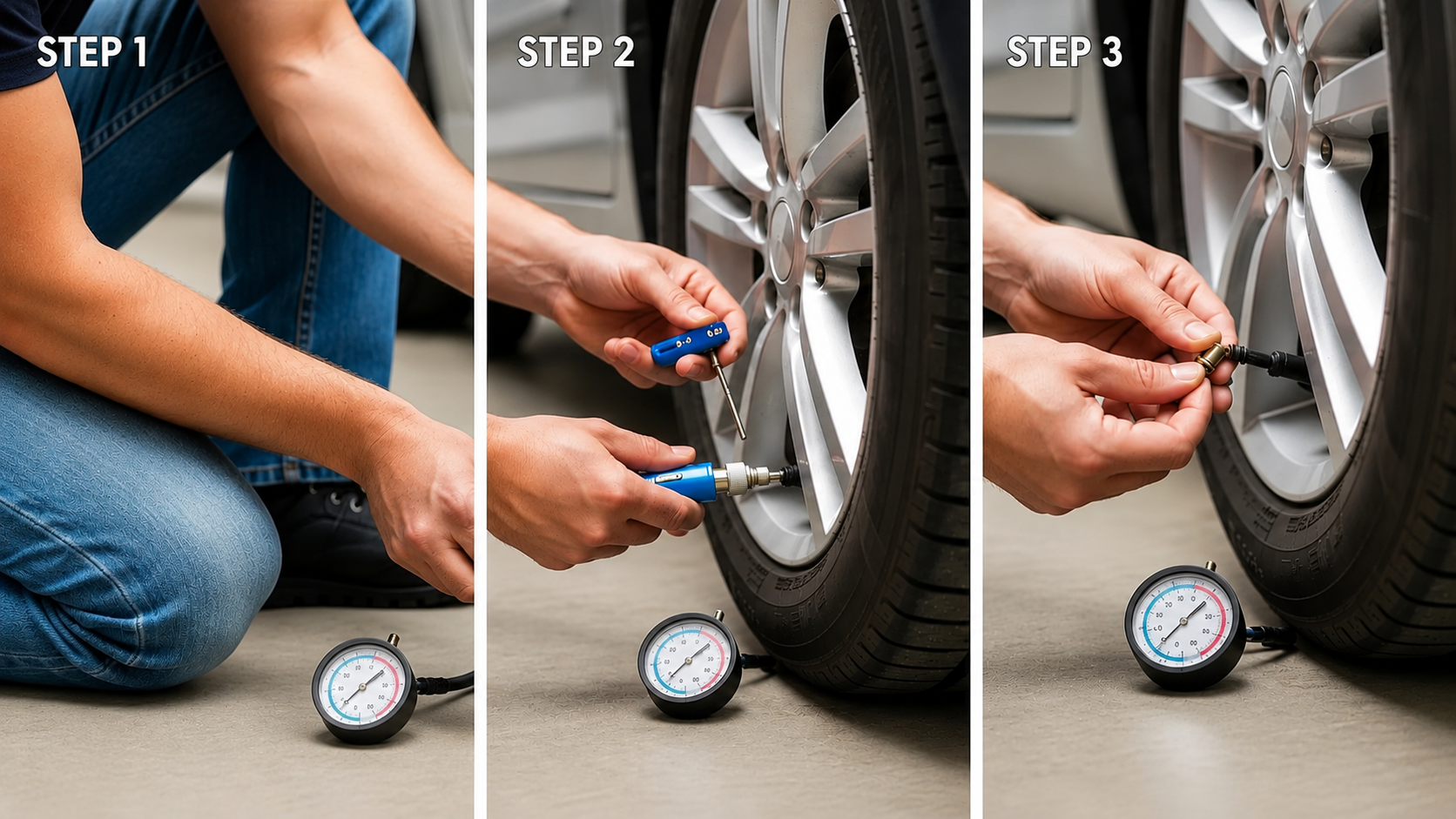
Regularly checking and maintaining tire pressure is a straightforward process that can significantly enhance vehicle safety and fuel efficiency. Drivers should make it a habit to check their tire pressure at least once a month and before long trips.
What Are the Step-by-Step Procedures for Accurate Tire Pressure Checks?
To accurately check tire pressure, follow these steps:
- Gather Tools: Obtain a reliable tire pressure gauge.
- Check When Cold: Measure tire pressure when the tires are cold, ideally before driving.
- Remove Valve Cap: Unscrew the valve cap from the tire.
- Press Gauge: Firmly press the tire pressure gauge onto the valve stem to get a reading.
- Compare with Recommendations: Check the reading against the recommended pressure levels.
- Adjust as Necessary: Inflate or deflate the tire to reach the optimal pressure, then replace the valve cap.
How Often Should Tire Pressure Be Monitored for Optimal Performance?
Tire pressure should be monitored at least once a month and before long trips. Seasonal changes can also affect tire pressure; for instance, tires can lose about 1 PSI for every 10-degree drop in temperature. Therefore, it’s advisable to check tire pressure more frequently during extreme weather conditions.
Where Can Ledgewood Drivers Access Professional Tire Pressure Services?
For drivers in Ledgewood,
professional tire
pressure services are available at
Ledgewood Car Care and Exhaust. Located at 1365 US-46, Ledgewood, NJ 07852, they specialize in comprehensive vehicle care, including
tire services.
Maintaining proper tire pressure is essential for both fuel economy and safety. By understanding the importance of tire pressure and following the recommended practices, drivers can enhance their vehicle's performance and ensure a safer driving experience.