
Complete Vehicle Maintenance & Inspection Schedule Guide
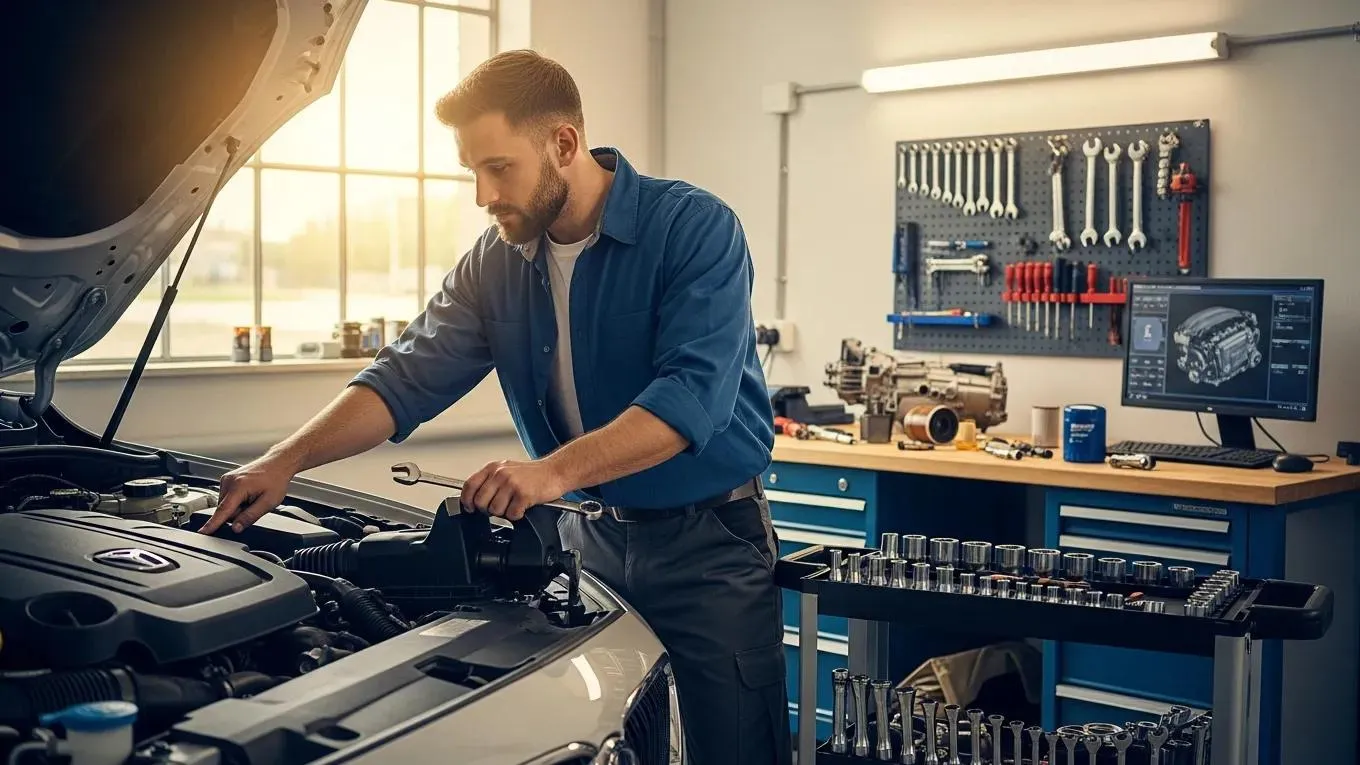
Maintaining your vehicle is crucial for ensuring safety, performance, and longevity. This comprehensive guide provides Ledgewood drivers with essential information on vehicle maintenance, including recommended schedules and best practices. By understanding the importance of regular maintenance, drivers can prevent costly repairs and enhance their vehicle's performance. This article will cover the recommended car maintenance schedule, exhaust system care, and tire maintenance practices specific to Ledgewood drivers. With this knowledge, you can keep your vehicle in optimal condition and enjoy a safer driving experience.
What Is the Recommended Car Maintenance Schedule for Ledgewood Vehicles?
A recommended car maintenance schedule is vital for keeping vehicles running smoothly and efficiently. Regular maintenance helps identify potential issues before they become serious problems, ensuring safety and reliability on the road. For Ledgewood drivers, adhering to a maintenance schedule tailored to local conditions can significantly enhance vehicle performance and longevity.
| Service Type | Maintenance Interval | Recommended Action |
|---|---|---|
| Oil Change | Every 5,000 miles or as per manufacturer’s recommendations | Replace oil and filter to ensure engine health. |
| Brake Inspection | Every 10,000 miles or as per manufacturer’s recommendations | Check brake pads and fluid levels for safety. |
| Tire Rotation | Every 5,000 to 8,000 miles or as per manufacturer’s recommendations | Rotate tires to promote even wear and extend lifespan. |
Following this schedule can help maintain your vehicle's performance and safety.
How Often Should You Perform Oil Changes and Fluid Checks?
Oil changes are essential for maintaining engine health, as fresh oil lubricates engine components and prevents wear. It is generally recommended to change the oil every 5,000 miles or every six months, whichever comes first, unless your vehicle manufacturer specifies differently. Additionally, regular fluid checks, including coolant, brake fluid, and transmission fluid, should be performed to ensure optimal vehicle performance. Neglecting these checks can lead to engine damage and costly repairs.
What Does a Comprehensive Vehicle Inspection Checklist Include?
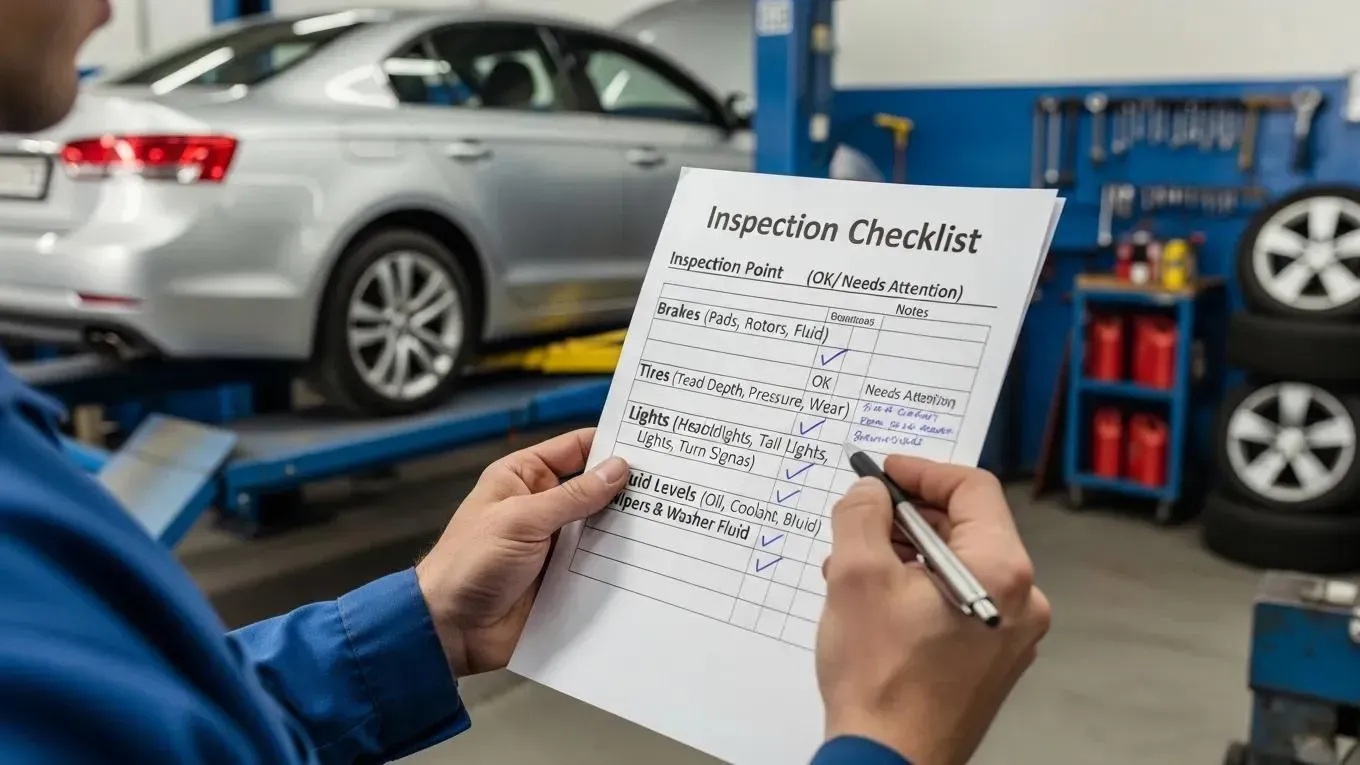
A comprehensive vehicle inspection checklist includes several key components that should be regularly assessed. This checklist typically covers:
- Brakes: Inspect pads, rotors, and fluid levels.
- Tires: Check tread depth, pressure, and overall condition.
- Lights: Ensure all headlights, taillights, and indicators are functioning.
- Wipers: Examine wiper blades for wear and replace if necessary.
- Battery: Check for corrosion and ensure proper connections.
Regular inspections help identify issues early, allowing for timely repairs and enhancing vehicle safety.
Indeed, the importance of thorough vehicle diagnostics extends beyond immediate repairs, contributing significantly to overall safety and cost-effectiveness.
How to Maintain Your Vehicle’s Exhaust System for Optimal Performance?
Maintaining your vehicle's exhaust system is crucial for optimal performance and emissions control. A well-functioning exhaust system reduces harmful emissions and enhances fuel efficiency. Regular inspections and maintenance can help identify issues such as leaks or blockages, which can negatively impact performance.
What Are the Signs of Exhaust System Wear and When to Schedule Repairs?
Signs of exhaust system wear include unusual noises, decreased fuel efficiency, and visible rust or damage. If you notice any of these symptoms, it is essential to schedule repairs promptly. Ignoring these signs can lead to more severe issues, including engine damage and increased emissions.
What Are the Benefits of Regular Exhaust System Maintenance?
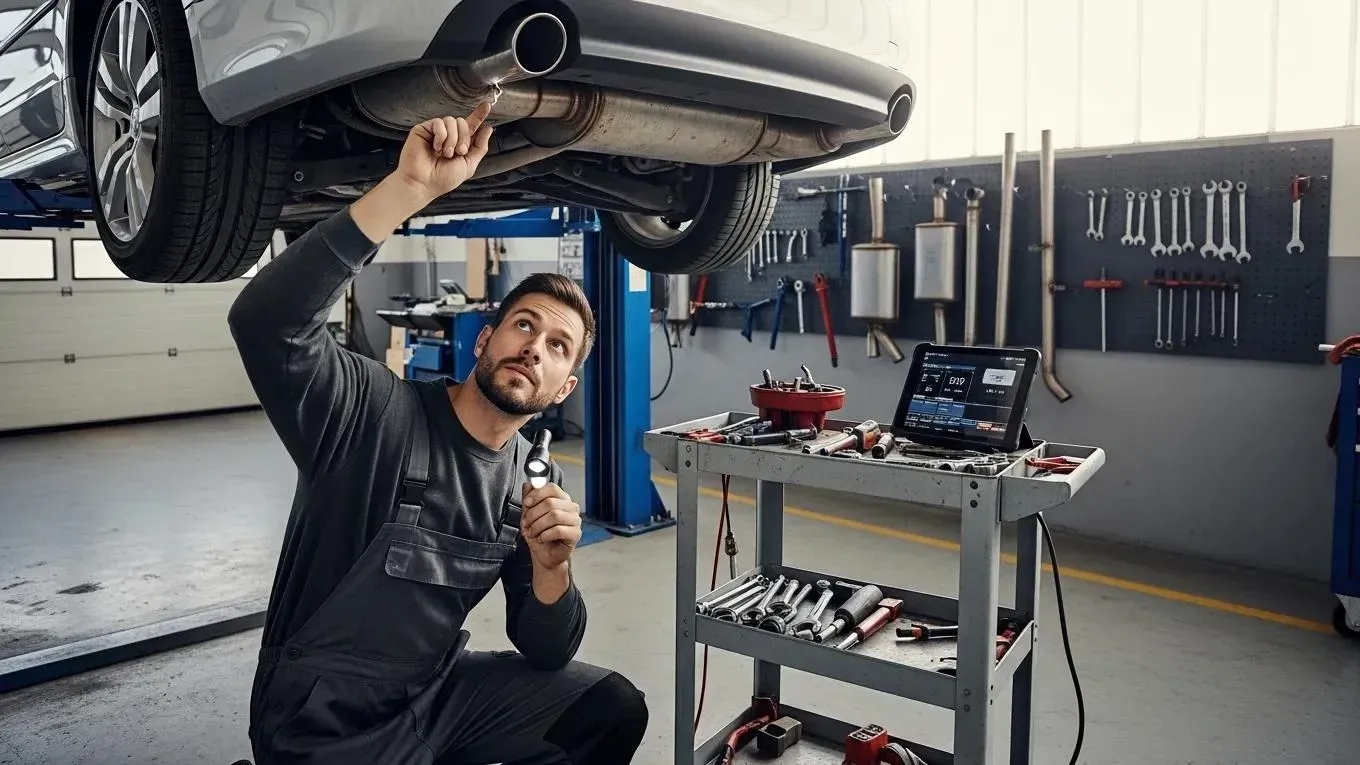
Regular exhaust system maintenance offers several benefits, including:
- Improved Performance: A well-maintained exhaust system enhances engine performance and fuel efficiency.
- Reduced Emissions: Regular checks help ensure compliance with environmental regulations.
- Cost Savings: Preventative maintenance can save money by avoiding costly repairs down the line.
By prioritizing exhaust system care, Ledgewood drivers can enjoy a smoother and more efficient driving experience.
What Are Best Practices for Tire Care and Rotation in Ledgewood?
Proper tire care and rotation are essential for ensuring safety and maximizing tire lifespan. Ledgewood drivers should follow best practices to maintain their tires effectively.
How Often Should Tires Be Rotated and Inspected?
Tires should be rotated every 5,000 to 8,000 miles to promote even wear and extend their lifespan. Additionally, regular inspections should be conducted to check for signs of wear, such as uneven tread depth or bulges. Maintaining proper tire pressure is also crucial for safety and fuel efficiency.
When Is It Time to Replace Tires for Safety and Efficiency?
Tires should be replaced when the tread depth reaches 2/32 of an inch or if there are visible signs of damage, such as cracks or bulges. Regularly checking tread depth and overall tire condition can help ensure safety and efficiency on the road.
For comprehensive tire services, Ledgewood Car Care and Exhaust offers expert tire maintenance and replacement options tailored to your vehicle's needs. By following these best practices, Ledgewood drivers can ensure their tires remain in optimal condition, enhancing safety and performance.