
Understanding Check Engine Light Codes
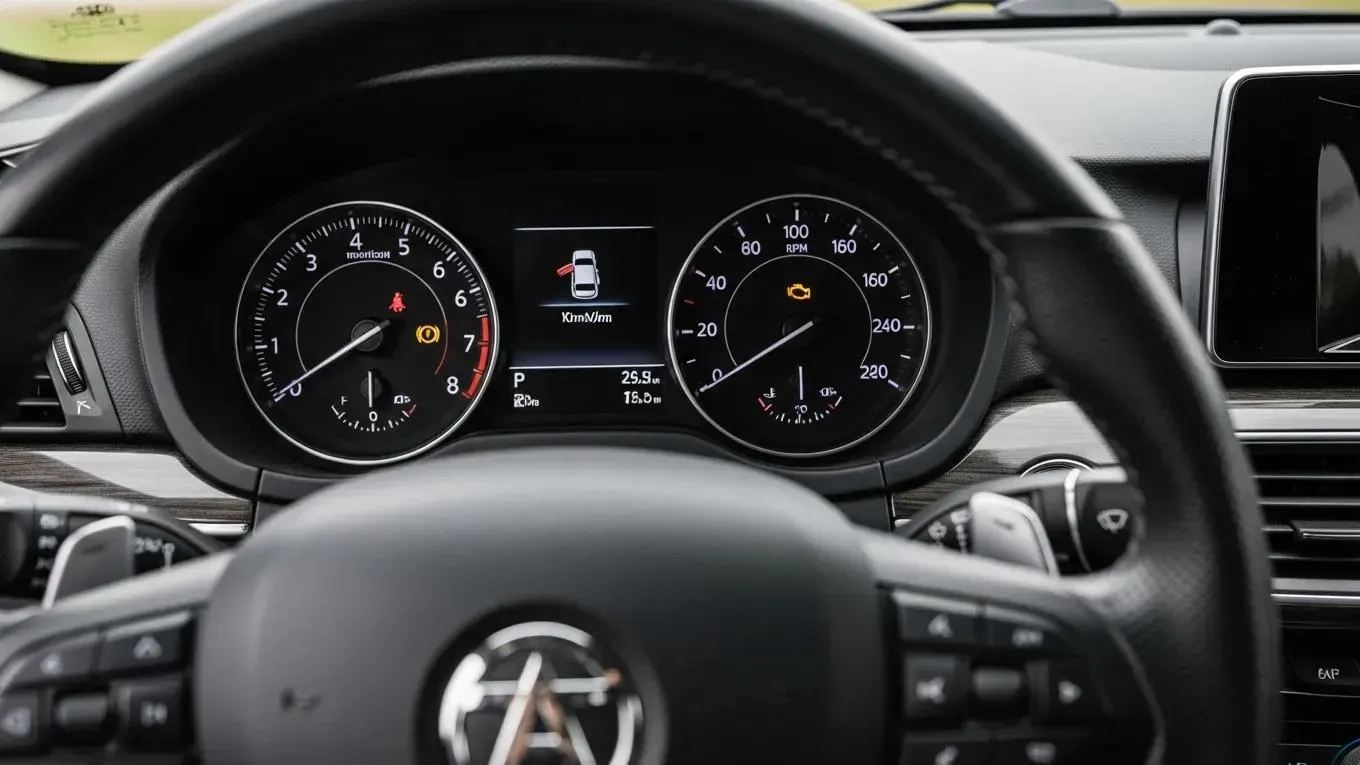
The check engine light (CEL) indicates your vehicle needs attention; reading and understanding diagnostic trouble codes (DTCs) lets you prioritize repairs, avoid larger failures, and keep the car running reliably.
Key Takeaways
- CEL alerts drivers to engine or emissions issues that need diagnosis.
- Common triggers: loose gas cap, oxygen sensor failures, emissions faults.
- Use an OBD2 scanner to retrieve DTCs for targeted troubleshooting.
- DTCs give system-specific guidance (engine, sensors, emissions).
- Examples: P0171 (lean), P0300 (misfires), P0420 (catalyst efficiency).
- Persistent lights or odd behavior require professional diagnostics.
- Exhaust diagnostics are often needed for emissions-related codes.
- Local shops like Ledgewood Car Care and Exhaust provide tailored support.
Common Causes of Check Engine Light
The CEL can result from many faults; common ones are below and are simple checks or starting points for a diagnostic scan.
- Loose or Faulty Gas Cap: A quick check tighten or replace the cap if damaged.
- Faulty Oxygen Sensors: Sensors can degrade, affecting fuel trim and emissions.
- Emissions System Issues: Problems in EVAP, catalytic converter, or related components trigger codes.
Early identification reduces the likelihood of more expensive repairs.
Recommended Actions
When the CEL comes on, follow a short process to assess urgency and next steps.
- Do Not Ignore: Address CELs promptly to avoid escalation.
- Get a Diagnostic Check: Read DTCs with an OBD2 scanner to learn the affected system.
- Consult a Professional: If the code indicates serious faults or you see abnormal symptoms, seek a mechanic.
Prompt, targeted action minimizes downtime and cost.
What Are Diagnostic Trouble Codes and Why Do They Matter?
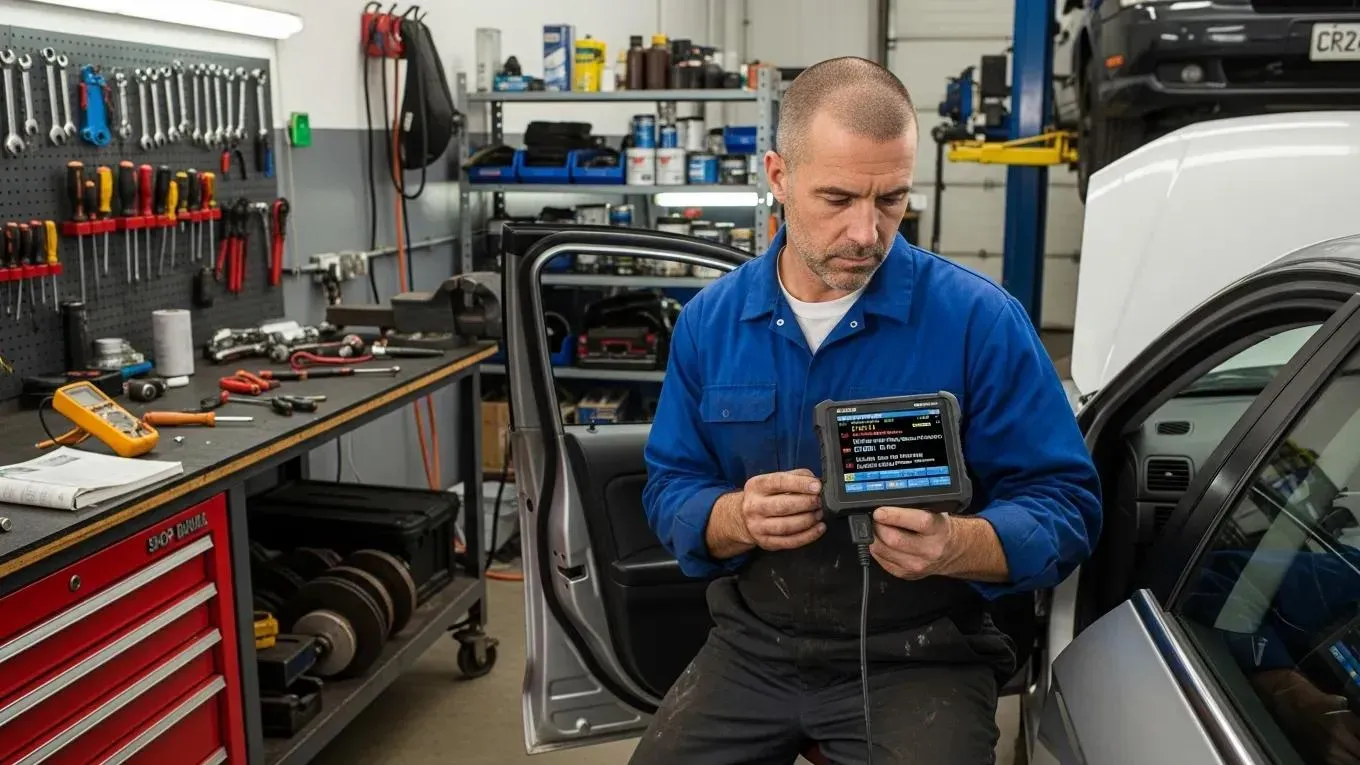
DTCs are alphanumeric identifiers from the vehicle’s onboard diagnostics that point to a system or component fault; they guide technicians to the likely cause so repairs are effective and efficient.
How Does the Check Engine Light Indicate Vehicle Issues?
The CEL activates when the ECU detects engine, sensor, or emissions abnormalities; severity ranges from minor (loose cap) to urgent (severe misfire).
What Role Do OBD2 Scan Tools Play in Reading Engine Codes?
OBD2 scanners connect to the diagnostics port and show DTCs and live data, helping decide whether immediate service is required or if the issue can wait.
Research documents the development and capabilities of OBD‑2 technology and its role in modern vehicle diagnostics.
OBD-2 Technology: Vehicle Diagnostics & System Interaction
This review summarises OBD‑2 research on interaction with on‑board systems and the development of a unified standard compatible across makes and models. It describes the history, existing standards, diagnostic functions, and how OBD‑2 provides vehicle information, settings, and command capabilities.
Using OBD-2 technology for vehicle diagnostic and using it in the information system, V Golian, 2023
How to Read and Interpret Common Check Engine Light Codes
Read the code with a scanner, look up its definition for your vehicle, and verify the root cause with basic checks or tests before replacing parts.
For vehicle owners, interpreting numeric trouble codes is a key step in diagnosing problems accurately.
Interpreting OBD Trouble Codes for Car Owners
Owners and technicians should reference the CARB EO certification label when diagnosing numeric trouble codes for a specific platform. That information helps confirm applicable standards and correct parts.
Automotive Diagnostic Systems: Understanding OBD I and OBD II, 2011
- Use an OBD2 Scanner: Retrieve stored and pending codes from the port.
- Look Up the Codes: Confirm the code meaning for the vehicle make/model.
- Assess Severity: Decide whether immediate repair is needed or scheduled service is acceptable.
Which Diagnostic Trouble Codes Are Most Frequently Encountered?
Several DTCs appear commonly in service and suggest typical starting points for diagnosis.
- P0171: Lean condition — check for vacuum leaks or sensor faults.
- P0300: Multiple/random misfires — inspect ignition and fuel delivery.
- P0420: Catalytic converter efficiency — requires exhaust diagnostics before replacement.
What Do Specific Codes Like P0171, P0300, and P0420 Mean?
- P0171: Engine running lean; investigate intake leaks and sensors.
- P0300: Random/multiple cylinder misfires; check plugs, coils, and fuel.
- P0420: Low catalyst efficiency; verify sensors and exhaust leaks before replacing the converter.
When Should You Seek Professional Automotive Repair Services?
Seek professional diagnostics when the CEL persists after simple checks or when you notice driving issues that suggest a serious fault.
- Persistent CEL: If the light stays on after addressing obvious issues, visit a mechanic.
- Unusual Engine Behavior: Rough idle, stalling, or loss of power merits expert evaluation.
- Increased Fuel Consumption: Sudden drops in economy often indicate underlying faults needing diagnosis.
How Can Professional Diagnostics Prevent Costly Repairs?
Targeted diagnostics isolate the true cause so repairs are precise, avoiding unnecessary parts replacement and higher future costs.
What Are the Benefits of Local Expertise at Ledgewood Car Care and Exhaust?
Local shops provide transparent service, regional knowledge, and practical advice tailored to local driving and environmental conditions.
- Trust and Transparency: Local mechanics build ongoing customer relationships.
- Local Knowledge: Familiarity with regional vehicle issues allows faster, more accurate diagnoses.
Local expertise helps ensure accurate recommendations and reliable repairs.
How Does Exhaust System Diagnostics Relate to Check Engine Light Codes?
Exhaust faults often cause CELs and can affect emissions and performance; targeted exhaust diagnostics identify sensor, leak, or catalyst problems.
What Are Common Exhaust-Related Diagnostic Trouble Codes?
Typical exhaust-related codes point to catalyst or EVAP issues and usually require flow, sensor, and leakage checks.
The P0420 code frequently indicates reduced catalytic converter efficiency and typically requires targeted exhaust diagnostics.
OBD II Diagnostics: Catalytic Converter & P0420 Code
OBD II diagnostics are used to verify catalytic converter efficiency. A common mistake vehicle owners make with a P0420 is assuming converter failure without completing proper diagnostic checks.
Specifications and analysis of digitized diagnostics of automobiles: a case study of on board diagnostic (OBD II), 2020
- P0420: Catalytic converter efficiency problem.
- P0430: Similar issue on bank 2 — verify sensors and exhaust integrity.
- P0496: EVAP-related fault; check lines, purge valves, and canister connections.
How Are Exhaust System Repairs Conducted to Resolve Engine Light Issues?
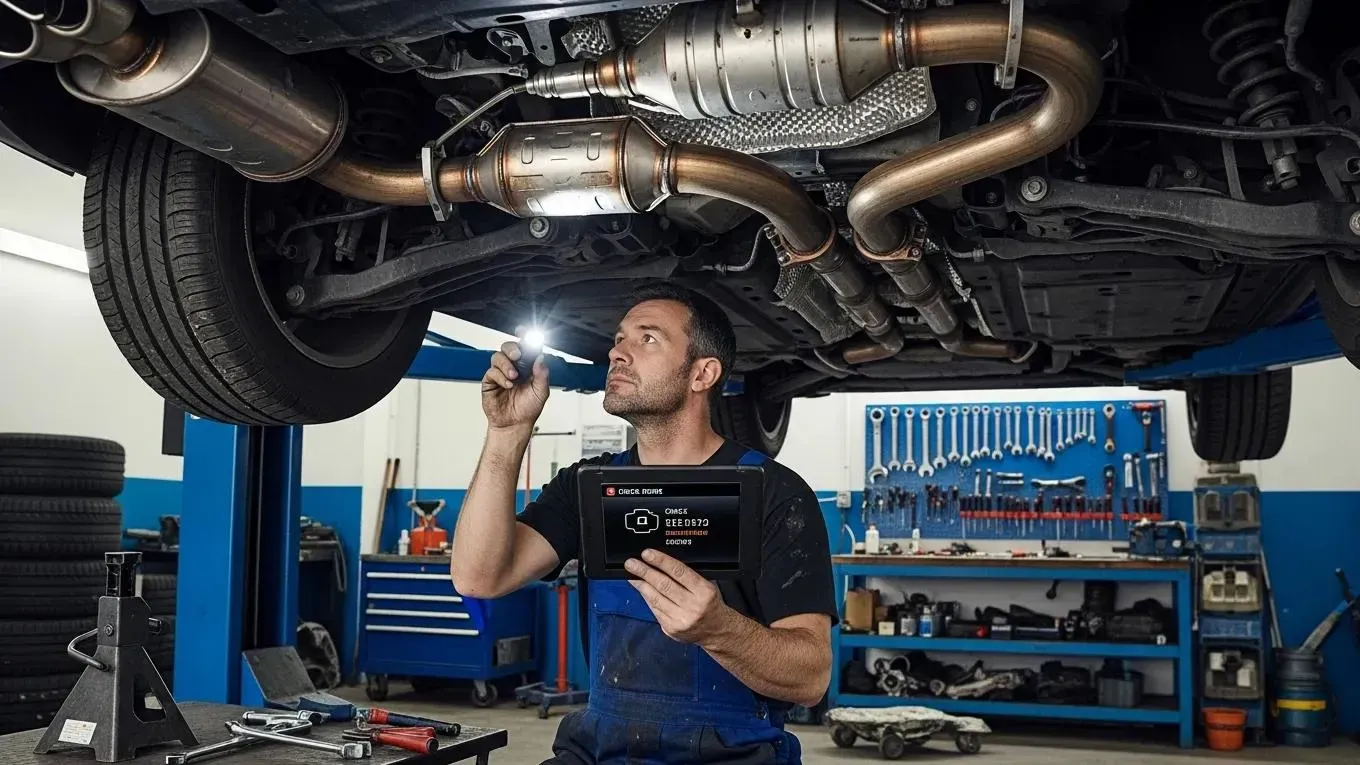
Typical steps: inspect components and sensors, replace failed parts (oxygen sensors, catalytic converter when necessary), then retest to confirm the CEL is cleared and emissions meet standards.
- Inspection: Visual and diagnostic checks to find faults.
- Replacement: Replace identified failed parts as needed.
- Testing: Post-repair testing to confirm resolution and emissions compliance.
These steps keep repairs focused and effective.
Frequently Asked Questions
What should I do if my check engine light is flashing?
A flashing CEL signals a serious condition (often a misfire), stop driving if safe and obtain immediate professional diagnostics to avoid catalyst damage.
Can I reset the check engine light myself?
You can clear codes with an OBD2 scanner, but clearing does not fix the fault, fix the root cause before resetting or the light will return.
How often should I have my vehicle's diagnostics checked?
Have diagnostics checked annually or whenever you notice performance, fuel economy, or warning-light changes; check immediately if the CEL appears.
What are the potential costs associated with check engine light repairs?
Costs vary by fault: minor fixes (gas cap, sensor) are inexpensive; major items (catalytic converter) are significantly costlier, get a diagnostic estimate first.
Are there any DIY methods to troubleshoot check engine light issues?
Simple checks at home: tighten the gas cap, inspect visible hoses and connectors, and read codes with an OBD2 scanner; consult a mechanic for complex faults.
What is the difference between a check engine light and a maintenance light?
The CEL warns of engine or emissions faults and may need immediate attention; a maintenance light signals scheduled service like oil or filter changes.
Conclusion
Understanding DTCs and taking prompt, measured action prevents larger repairs and keeps your vehicle safe and compliant; use an OBD2 scan, perform basic checks, and rely on local professionals like Ledgewood Car Care and Exhaust when needed.