
NJ State Inspection Checklist: How to Pass & Common Failure Fixes
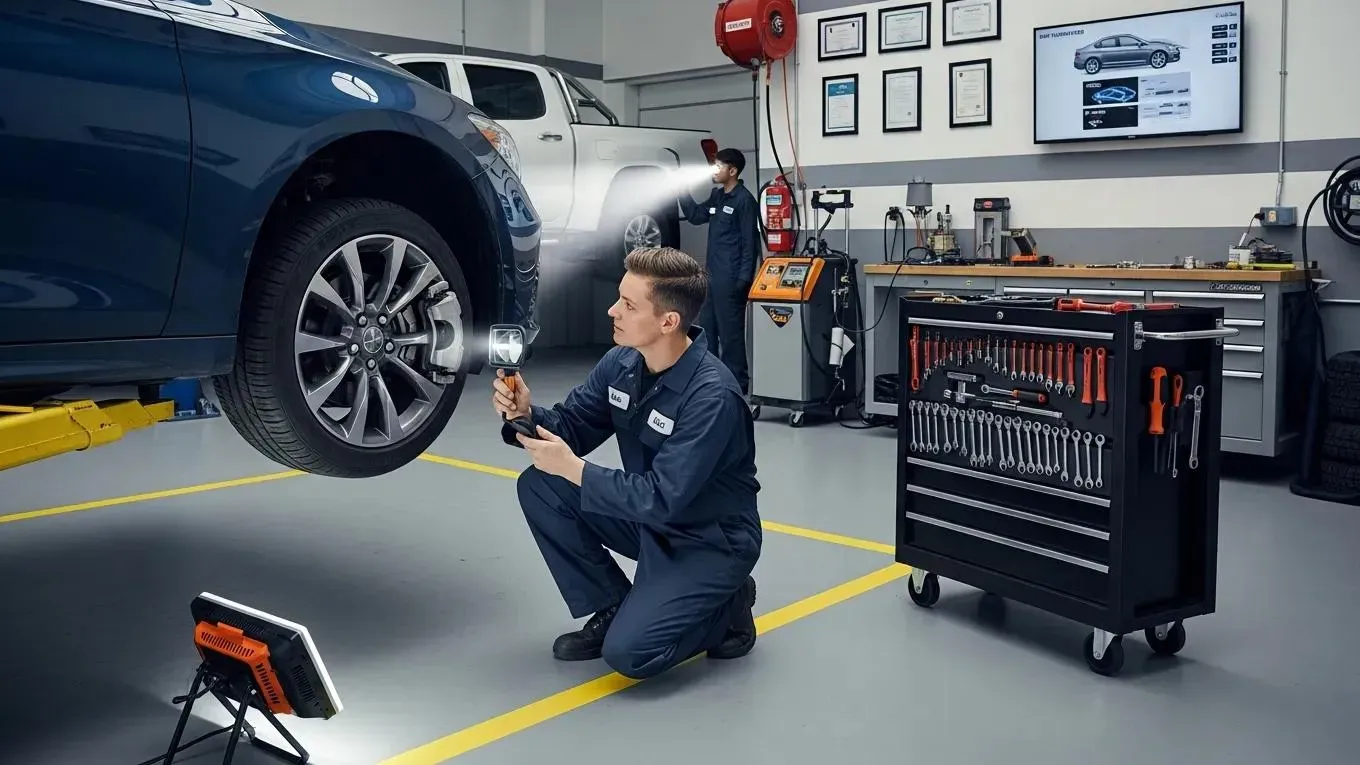
Preparing for a New Jersey state inspection can be a daunting task for vehicle owners. Understanding the requirements and common pitfalls can significantly ease the process. This article provides a comprehensive checklist to help you prepare for your NJ state inspection, ensuring your vehicle meets all necessary safety and emissions standards. Many vehicle owners face challenges during inspections due to overlooked details, which can lead to costly repairs or failed inspections. By following this guide, you can proactively address potential issues and streamline your inspection experience. We will cover the NJ state inspection requirements, how to prepare your exhaust system, tire conditions, and common vehicle inspection failures.
What Are the NJ State Inspection Requirements for Your Vehicle?
In New Jersey, state inspection requirements are designed to ensure that vehicles meet safety and emissions standards. These inspections typically include a thorough examination of critical components such as brakes, lights, and
exhaust systems. Additionally, vehicles must pass emissions tests to comply with environmental regulations. Documentation, including proof of insurance and vehicle registration, is also required during the inspection process.
The implementation of these emissions tests has not always been without its challenges, as historical accounts reveal.
Which Safety and Emissions Checks Are Included in NJ Inspections?
During NJ state inspections, several safety and emissions checks are performed to ensure compliance. Key checks include:
- Brakes: Inspecting the condition and functionality of the braking system.
- Lights: Ensuring all lights, including headlights, taillights, and turn signals, are operational.
- Exhaust System: Checking for leaks and ensuring emissions levels are within acceptable limits.
These checks are crucial for maintaining vehicle safety and environmental compliance, and understanding them can help you prepare effectively for your inspection.
How to Use the NJ Car Inspection Checklist Effectively?
To maximize the effectiveness of your NJ car inspection checklist, follow these steps:
- Understand the Requirements: Familiarize yourself with the specific safety and emissions checks that will be performed.
- Prepare Your Vehicle: Conduct a pre-inspection check to identify and address any potential issues.
- Schedule an Inspection: Book your inspection appointment in advance to avoid last-minute stress.
By following these steps, you can ensure a smoother inspection process and increase the likelihood of passing on the first attempt.
How to Prepare Your Exhaust System for the NJ Emissions Test?
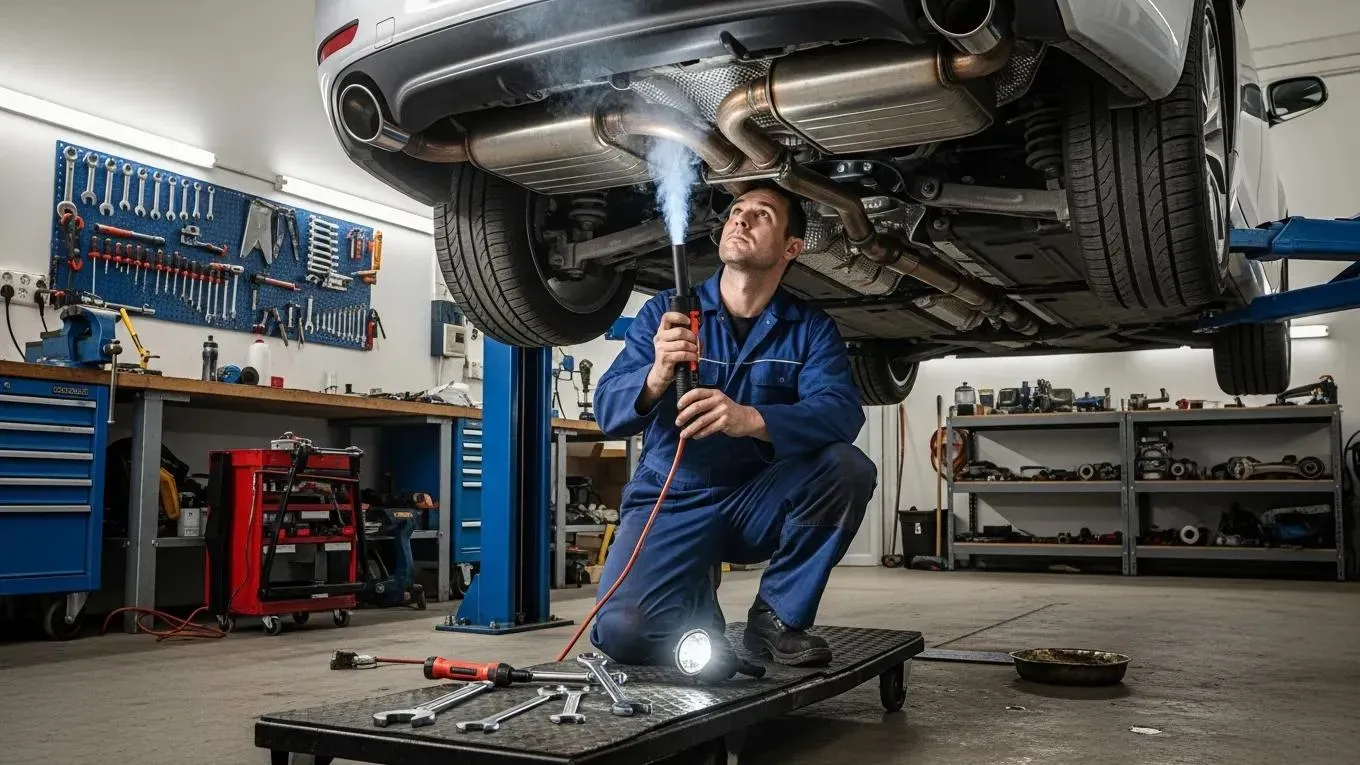
Preparing your exhaust system for the NJ emissions test is essential for passing the inspection. A well-maintained exhaust system not only reduces emissions but also enhances vehicle performance. Key preparation steps include inspecting exhaust components for damage and ensuring that the system is free of leaks.
What Are Common Exhaust System Failures in NJ Inspections?
Common failures related to exhaust systems during NJ inspections include:
- Loud Exhaust Noises: Indicate potential leaks or damage.
- Poor Fuel Efficiency: Can signal underlying exhaust issues.
- Increased Emissions: May lead to failure if the system is not functioning correctly.
Addressing these issues before your inspection can help ensure compliance and avoid costly repairs.
How Can Ledgewood Car Care Help with Exhaust Repairs?
Ledgewood Car Care & Exhaust specializes in exhaust system repairs, offering services such as:
- Comprehensive Exhaust System Inspections: Identifying potential issues before they become major problems.
- Quality Repairs: Using high-quality parts to ensure long-lasting solutions.
- Addressing Common Issues: Effectively resolving problems that frequently lead to inspection failures.
Their expertise can help you prepare your vehicle for a successful emissions test.
What Tire Conditions Must You Meet for NJ State Inspection?
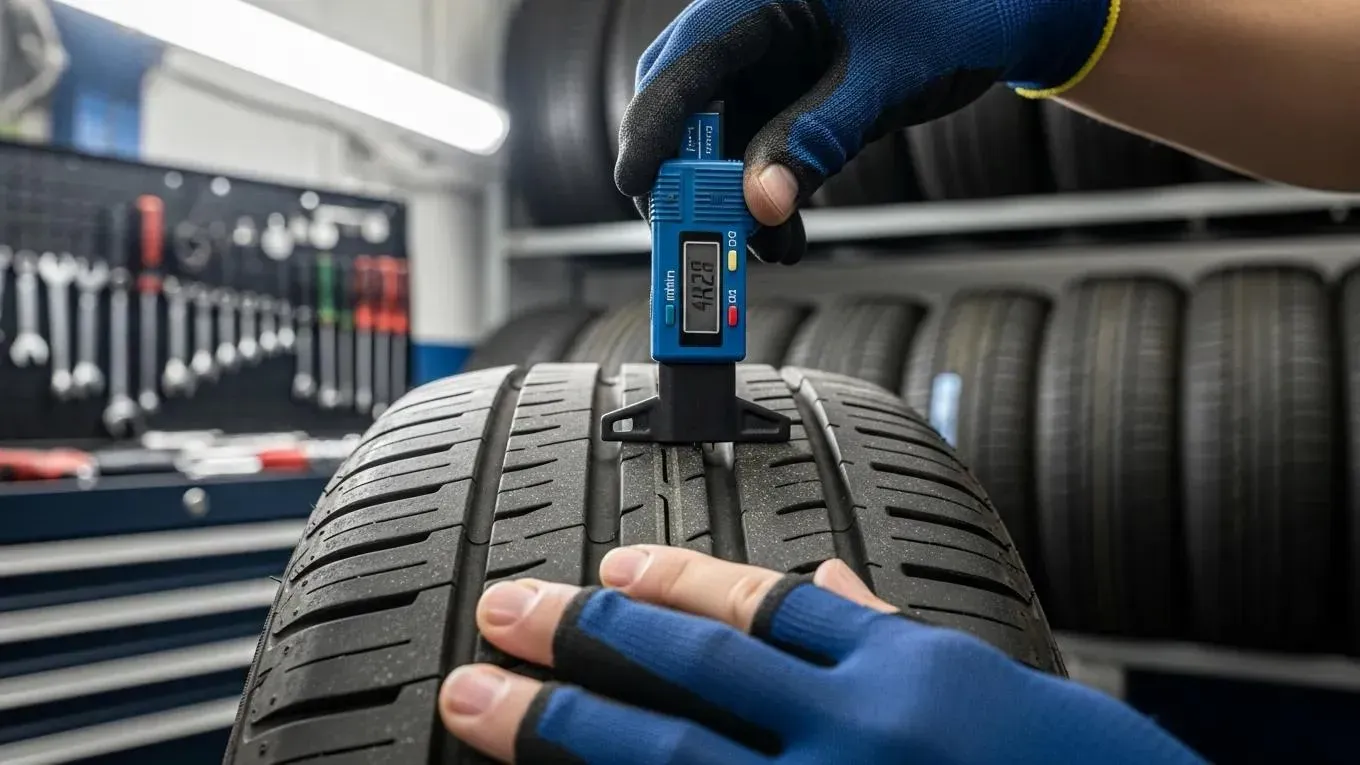
Tire conditions are a critical aspect of NJ state inspections. Ensuring your tires meet safety standards is essential for passing the inspection and maintaining vehicle safety. Key conditions include adequate tread depth and proper inflation.
What Are NJ Tire Safety Standards and Inspection Criteria?
NJ tire safety standards require that:
- Minimum Tread Depth: Tires must have a tread depth of at least 1/32 of an inch.
- Visual Inspection Criteria: Inspectors will check for signs of wear, damage, or uneven tread.
- Importance of Tire Maintenance: Regular maintenance is crucial for ensuring tire safety and performance.
Understanding these standards can help you prepare your tires for inspection.
How to Check and Maintain Tire Tread Depth for Inspection?
To check and maintain tire tread depth effectively:
- Use a Tread Depth Gauge: Measure the depth at multiple points across the tire.
- Look for Wear Indicators: Many tires have built-in indicators that show when they need replacement.
- Monitor Tire Pressure: Ensure tires are inflated to the manufacturer's recommended levels.
Regular checks can help you identify issues early and maintain compliance with inspection standards.
What Are the Most Common NJ Vehicle Inspection Failures and How to Fix Them?
Understanding common vehicle inspection failures can help you avoid pitfalls during the NJ state inspection process. Many failures stem from easily fixable issues, making it essential to be proactive.
Which Vehicle Components Frequently Cause Inspection Failures?
Common components that often lead to inspection failures include:
- Brakes: Worn brake pads or malfunctioning systems can result in failure.
- Tires: Insufficient tread depth or damage can lead to non-compliance.
- Emissions System: Faulty components can cause increased emissions and lead to failure.
Addressing these components before your inspection can significantly improve your chances of passing.
What Repair Services Ensure Passing Your NJ State Inspection?
To ensure your vehicle passes the NJ state inspection, consider the following repair services:
- Brake Repairs and Maintenance: Essential for safety and compliance.
- Tire Replacements and Alignments: Ensures proper handling and safety.
- Emissions System Repairs: Addressing issues can help meet emissions standards.
Utilizing these services can help you prepare your vehicle effectively for inspection, reducing the likelihood of failure.