
Why Are My Brakes Squeaking or Grinding?
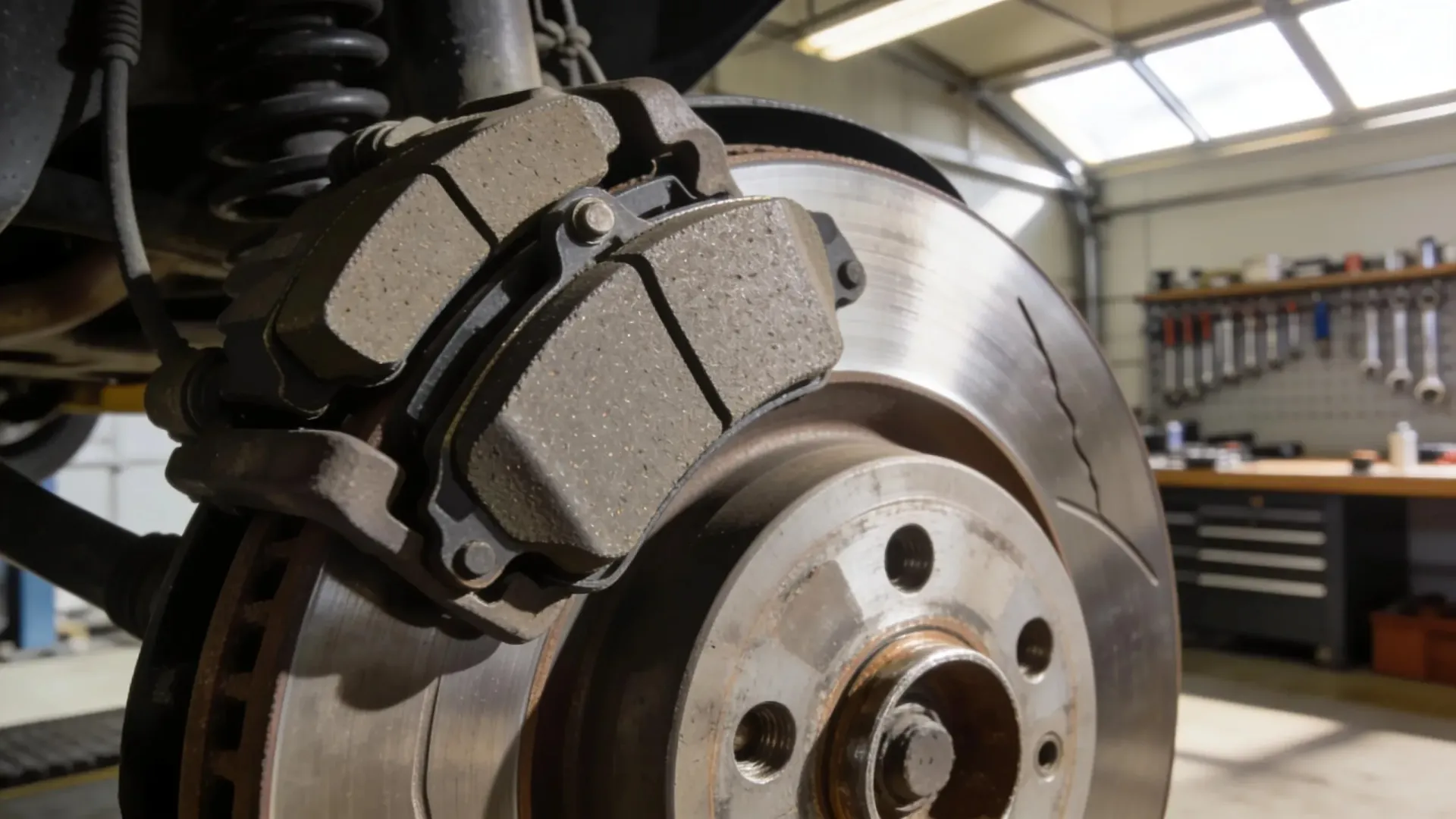
By Rex Pisan, Ledgewood Car Care Center & Exhaust
Squeaking or grinding from the brakes signals a potential fault in the braking system and can compromise safety. Identifying the causes protects occupants and extends component life. This article explains common sources of brake noise, diagnostic indicators, and practical maintenance steps to reduce recurrence. You will learn when to inspect the system, when to arrange professional service, and which maintenance practices limit noise and wear.
Key Takeaways
- Squeaking or grinding brakes often indicate worn brake pads or debris interfering with brake components.
- Moisture can cause temporary rust on rotors, leading to initial brake squeaking after exposure.
- Regular brake inspections and cleaning help identify wear and prevent noise from developing.
- Replacing worn brake pads with quality materials reduces noise and maintains braking efficiency.
- Loose or damaged hardware components can cause rattling noises and should be checked during maintenance.
- Brake pad material affects noise levels; ceramic pads are quieter than semi-metallic or organic types.
- Signs of serious brake issues include continuous grinding, sinking brake pedals, and vehicle pulling during braking.
- Timely brake system maintenance prevents costly repairs and ensures safe, reliable vehicle operation.
- Proper lubrication of brake hardware reduces friction and minimizes noise during braking.
Causes of Brake Noise
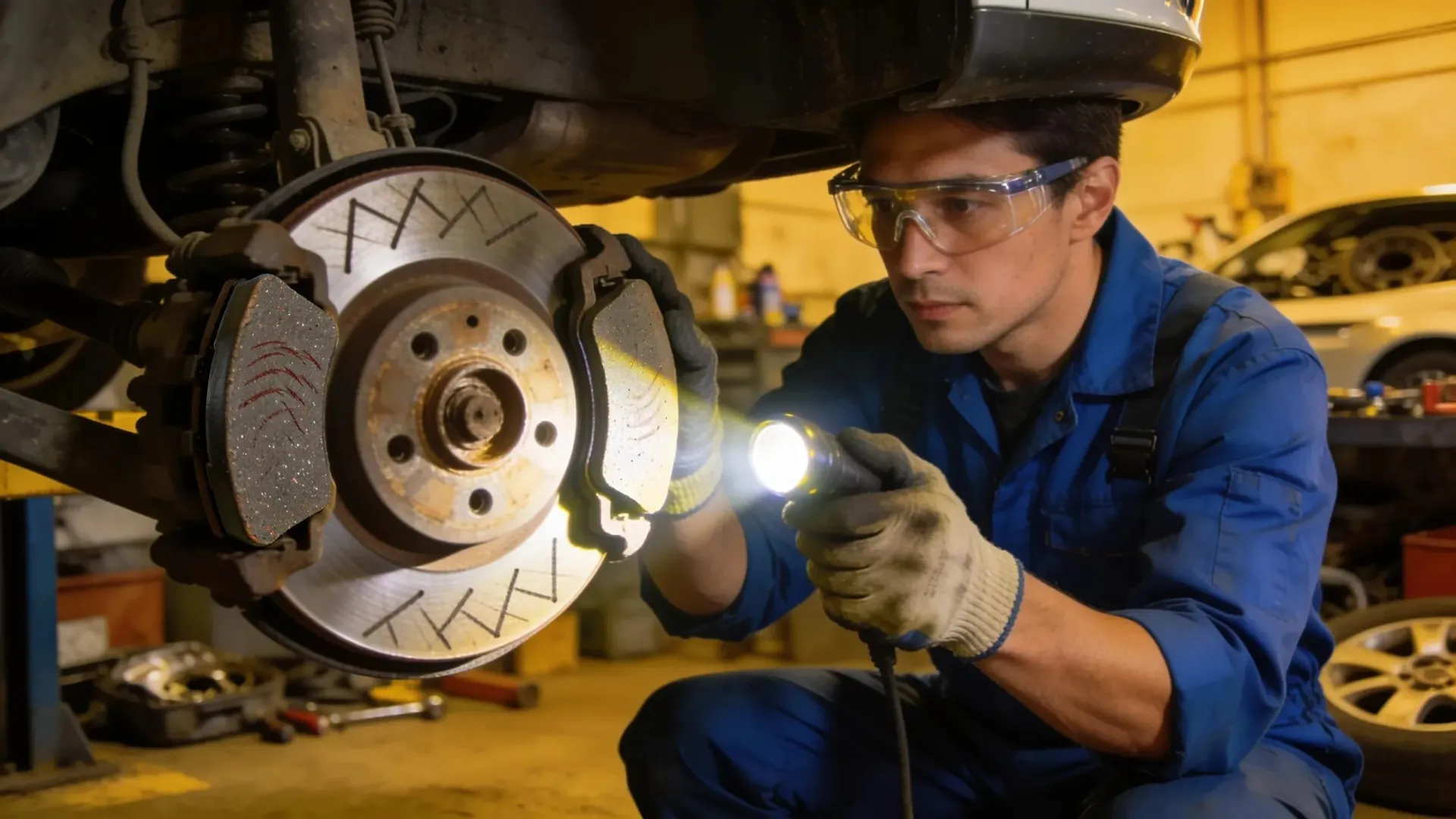
Several factors can cause brake noise. Recognizing these factors aids accurate diagnosis and timely repair.
- Worn Brake Pads: As brake pads wear down, the metal backing can rub against the brake rotor, causing a grinding sound. This situation can not only create noise but also jeopardize your safety, as it can reduce braking efficiency.
- Brake Dust: Accumulation of debris and dust can lead to squeaking. When this dust gets trapped between the brake components, it may cause unwanted friction and noise.
- Moisture: Rain or humidity can lead to a temporary presence of rust on the brake rotors, which might cause squeaking when you first apply the brakes after exposure to moisture.
- Hardware Issues: Loose or damaged hardware components such as clips or shims can also lead to brake noise by failing to secure the pads properly.
Early identification of these causes can prevent costly repairs.
Potential Solutions
Addressing brake noise promptly preserves safety and function. The following measures reduce or eliminate common noises:
- Brake Inspection: Regular inspections by a certified technician can help identify wear and tear on brake components, allowing for prompt repairs or replacements before severe damage occurs.
- Brake Pad Replacement: If your brake pads are worn out, replacing them with high-quality pads can eliminate squeaking or grinding noises. Quality pads are designed to minimize dust and noise while providing reliable performance.
- Cleaning Brake Components: Cleaning the brakes and removing build-up can help reduce noise. Oftentimes, a thorough cleaning can significantly enhance brake efficiency and extend the lifespan of the components.
- Greasing Parts: Applying appropriate lubrication to the hardware that secures the brake pads can help in cushioned engagement, reducing noise during braking.
Implementing these measures improves braking performance and safety.
Factors Influencing Brake Performance
Multiple factors affect brake performance. Understanding them supports better maintenance decisions.
- Brake Fluid Quality: The condition of brake fluid can greatly affect brake performance. Contaminated fluid can lead to corrosion and ineffective braking. Regular checks and timely changes of brake fluid ensure optimal performance.
- Component Quality: The quality of the individual components, such as brake pads and rotors, impacts overall performance. Using high-quality parts may offer enhanced durability and reduced noise.
- Driving Habits: Aggressive driving can contribute to early wear of brake components. Learning to drive smoothly can prolong the lifespan of your braking system.
- Environmental Factors: The conditions you regularly drive in, including dirt, dust, and wet environments, can impact brake maintenance requirements. Regular cleaning and checks are essential in such conditions.
Awareness of these factors enables better maintenance decisions and clearer diagnosis of brake problems.
What Are the Common Causes of Brake Squeaking and Grinding?
Vehicle owners should recognize common causes of brake squeaking and grinding to address them promptly:
- Worn Brake Pads: As mentioned earlier, when pads wear down, they can produce noise due to metal against metal contact.
- Debris in Brake Assembly: Dust or small rocks can also cause squeaks or grinding as they interfere with brake operation.
- Moisture Effects: Rust or moisture can develop during periods of inactivity, leading to temporary noise upon initial brake use.
- Insufficient Lubrication: When brake components are not adequately lubricated, they may cause friction and resultant sounds when in operation.
Understanding these factors gives owners practical guidance for managing brake maintenance.
How Do Worn Brake Pads Lead to Squeaking or Grinding Noises?
Worn pads cause the backing plate to contact the rotor, producing scraping or grinding. As pad thickness decreases, braking effectiveness falls and rotor damage can follow. Timely inspection and pad replacement prevent escalation.
Can Brake Dust or Moisture Cause Brake Noise When Braking?
Brake dust and moisture can cause temporary noise. Dust on contact surfaces produces squeaks; moisture can form surface rust on rotors, causing noise until removed. Regular cleaning and inspections reduce these effects.
How Can You Diagnose Different Types of Brake Grinding Sounds?
Listening to brake noises aids diagnosis. Different sounds point to different faults:
- High-Pitched Squeals: Often indicate worn brake pads or dust build-up on the rotors.
- Grinding: Suggests severe wear or damage, often requiring immediate attention to avoid further damage to the rotors.
- Thumping or Rattling: May suggest loose hardware or other components within the brake assembly.
Recognising these sound patterns helps determine urgency and next steps.
What Signs Indicate Serious Brake System Issues?
Recognizing signs of significant brake problems can prevent accidents. Look for these warning signals:
- Continuous Grinding: Long-lasting grinding noises indicate worn brake pads.
- Sinking Brake Pedal: If the pedal sinks to the floor, it may point to serious hydraulic issues.
- Pulling to One Side: If the vehicle pulls to one side while braking, it may indicate uneven wear or malfunction.
Observe these signs and arrange professional inspection promptly.
How Do Brake Rotor Issues Contribute to Noise Symptoms?
Warped or uneven rotors cause vibration and noise because pads cannot engage evenly. Resurfacing or replacing worn rotors restores consistent contact and reduces noise.
How Do Brake Pad Materials Affect the Likelihood of Squeaking?
Pad material affects noise. Semi-metallic pads are often more prone to squeaking than organic or ceramic types. Selecting pads that minimise sound helps achieve quieter braking.
What Are the Noise Characteristics of Ceramic, Semi-Metallic, and Organic Pads?
Different brake pad types exhibit distinct noise characteristics:
- Ceramic Pads: Generally quieter and produce less dust, likely reducing noise.
- Semi-Metallic Pads: Often louder but provide better braking performance, especially in demanding conditions.
- Organic Pads: Tend to be quieter but can wear more quickly than other types.
Knowing these traits helps drivers choose pads that balance noise, performance and wear for their driving habits.
How Should Drivers Weigh Noise, Cost, and Durability When Choosing Brake Pads?
Selecting brake pads involves balancing noise production, cost, and durability. Drivers should consider:
- Noise Tolerance: If quiet operation is a priority, investing in ceramic pads may be worthwhile.
- Budget Constraints: While budget pads are available, investing in higher-quality options can prove cost-effective long-term due to better durability.
- Driving Conditions: For aggressive driving, semi-metallic pads may offer the most reliable performance despite producing more noise.
Weigh noise tolerance, budget and driving conditions to select pads that match safety and cost priorities.
When Is Professional Brake Repair or Replacement Necessary?
Understanding when to seek professional assistance for brake issues is indispensable for vehicle safety. Signs that indicate professional help is required include:
- Unusual Noises: Continuous grinding or squealing can signal a need for replacement or repair.
- Brake Fluid Leaks: Any signs of leaking fluid mean there may be a significant hydraulic issue requiring expert attention.
- Severe Wear Indicators: If pads are less than 1/8 inch thick, replacement is necessary, and a technician should assess the rotors.
Proactive action prevents more extensive repairs.
How to Recognize Urgent Brake Repair Versus Minor Noise Issues?
Understanding the difference between urgent repairs and minor issues is key:
- Urgent Issues: Grinding noises that persist, fluid leaks, and pulling indicate immediate repairs are essential.
- Minor Noise Issues: Squeaking sounds that occur upon initial braking in wet conditions may not necessitate urgent attention but should be monitored.
Careful listening and observation guide whether to schedule immediate service or monitor the issue.
What Does a Typical Brake Service at Ledgewood Car Care and Exhaust Entail?
A brake service at Ledgewood Car Care and Exhaust typically includes a thorough inspection, replacement of worn pads or rotors, and brake fluid evaluation. Technicians will check brake lines for leaks and test braking performance so drivers depart with restored confidence in stopping ability.
What Maintenance Practices Help Prevent Brake Squeaking and Grinding?
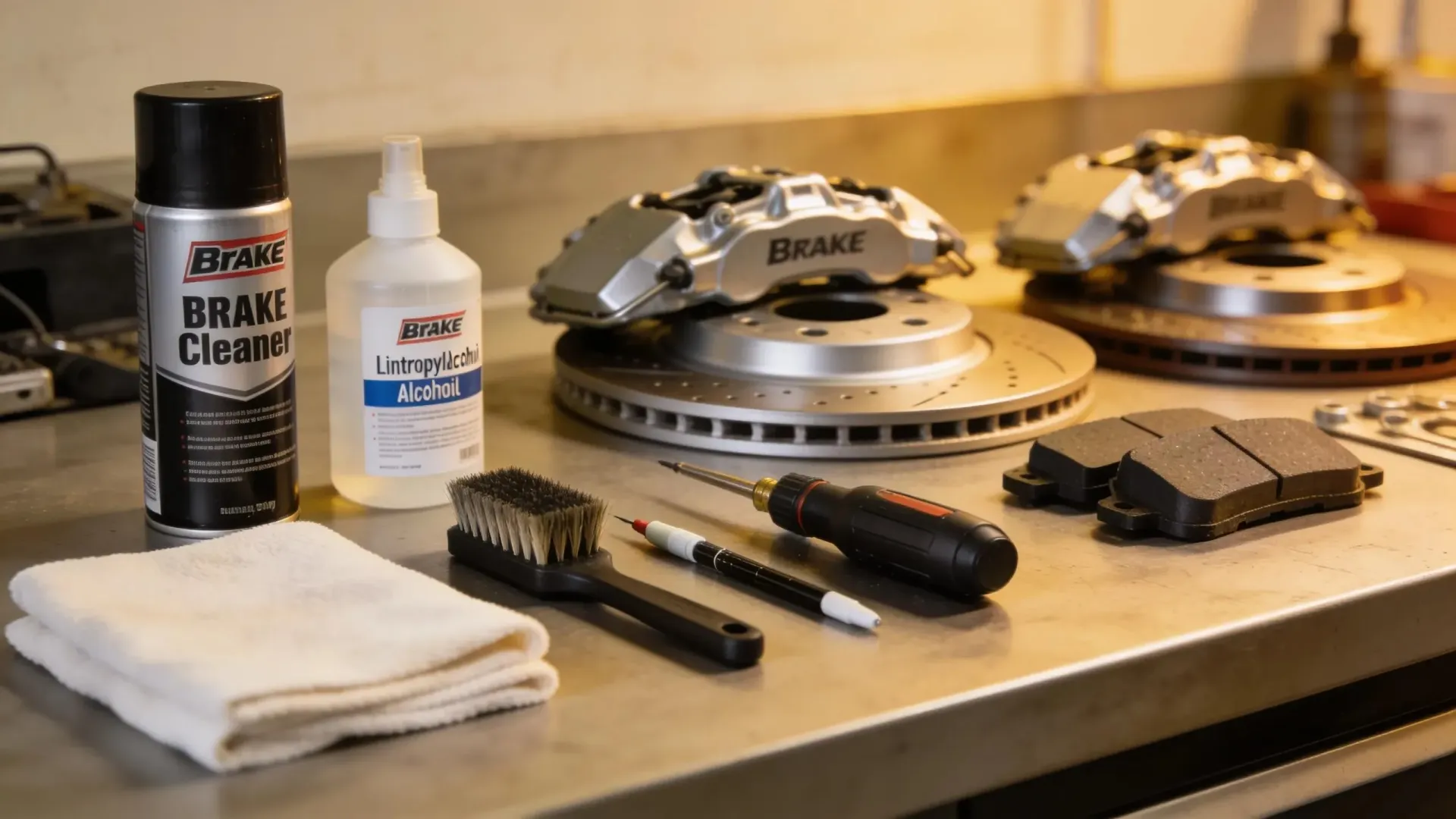
Regular maintenance reduces the likelihood of brake noise. Incorporate these practices into routine service:
- Routine Inspections: Regularly scheduled inspections help catch wear before it becomes problematic.
- Brake Cleaning: Periodic cleaning of the brake components removes debris that can cause noise.
- Component Lubrication: Ensure that all moving parts are adequately lubricated to reduce friction and wear.
These steps maintain brake condition and reduce noise and vibration.
Which Regular Inspections and Cleaning Steps Reduce Brake Noise?
- Inspect Brake Pads: Regular evaluation can identify wear patterns causing noise.
- Check Hardware Components: Ensure that all clips, calipers, and brackets are secure and functioning correctly.
- Clean Brake Dust: Removing built-up dust can prevent squeaking.
Regular use of these inspections preserves brake function and reduces surprise repairs.
How Does Timely Brake System Maintenance Save Repair Costs?
Timely maintenance prevents minor issues from escalating into major failures. Inspections, timely pad replacement, and fluid checks reduce the likelihood of expensive repairs. Regular upkeep lowers long-term costs while maintaining vehicle safety and reliability.
Frequently Asked Questions
What should I do if my brakes are making unusual noises?
Address unusual brake noises promptly. Grinding or persistent squeal can indicate worn pads or inadequate lubrication. If you are comfortable, perform a visual inspection for obvious wear or leaks. If uncertainty remains, arrange a professional examination to identify required repairs or replacements. Do not ignore persistent noise.
How can driving habits affect brake noise and performance?
Driving habits influence brake wear and noise. Hard braking and rapid acceleration increase component wear. Smoother braking and gradual acceleration extend pad life and reduce noise. Also consider how stop-start city driving differs from highway use when planning maintenance intervals.
Are there any temporary fixes for noisy brakes while waiting for repairs?
Temporary measures can reduce noise until professional service is available. Light cleaning to remove dust and debris and applying appropriate lubricant to pad hardware may help. These are interim steps; schedule a full inspection and permanent repair as soon as practicable.
What maintenance practices help avoid brake noise?
Minimise brake noise with routine inspections, cleaning, and lubrication. Check pads and rotors at least twice yearly, remove accumulated dust, and lubricate moving hardware. Address wear promptly to limit noise recurrence.
How can I tell if my brake noise is a minor issue or a serious problem?
Distinguish minor from urgent issues by sound type and persistence. Short squeals after damp conditions are often minor; continuous grinding or rattling is serious and requires immediate inspection. Any change in pedal feel or evidence of fluid leak warrants prompt service.
How do the environmental conditions affect brake maintenance needs?
Environmental conditions affect maintenance needs. Wet climates accelerate rotor surface corrosion and require more frequent inspection and cleaning. Dusty or muddy roads increase brake dust accumulation. Adjust maintenance intervals to local conditions for reliable braking.
Is there any difference in brake noise between different types of vehicles?
Brake noise varies by vehicle design and use. Heavier vehicles and performance models exhibit different wear patterns than standard passenger cars. Brake system type and pad and rotor materials also affect noise. Know your vehicle's brake design to anticipate common issues and set appropriate maintenance.
Conclusion
Squeaking or grinding can indicate faults that affect safety. Recognizing causes and applying proper maintenance preserves vehicle life. Regular inspections and timely repairs reduce noise and restore reliable braking. Contact our team to schedule an inspection or service.