
How to Tell When Your Brake Pads Need Replacing
By Rex Pisan, Ledgewood Car Care Center & Exhaust
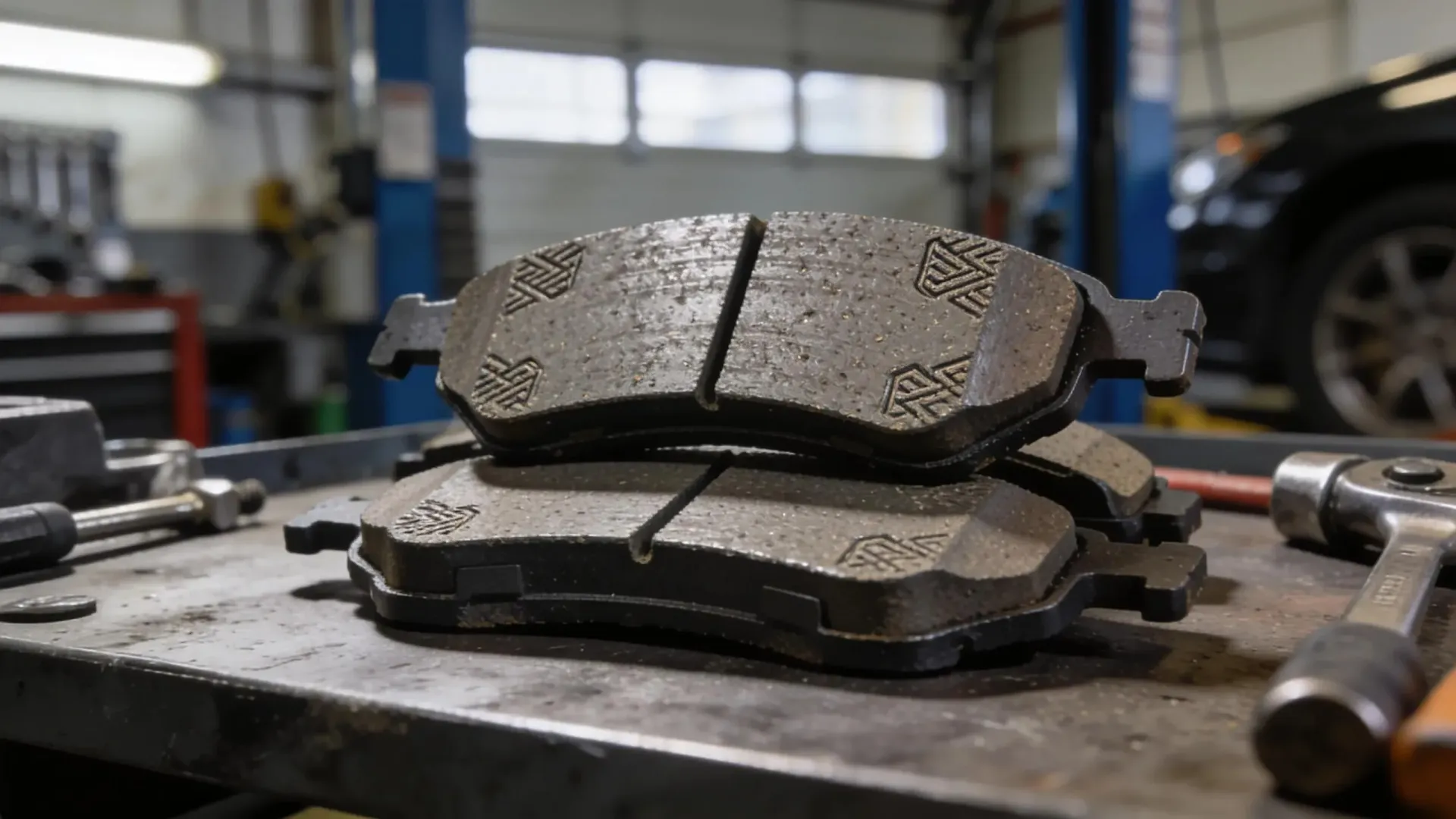
Knowing when brake pads require replacement is essential to vehicle safety and consistent stopping performance. Excessively worn pads reduce braking effectiveness and increase stopping distances. This article outlines the primary indicators of worn pads, explains wear indicators and common brake noises, and reviews how driving habits affect pad life. It also highlights frequent maintenance errors, describes the professional replacement procedure, and explains when to contact Ledgewood Car Care and Exhaust for inspection and service.
Key Takeaways
- Worn brake pads reduce braking efficiency and compromise vehicle safety during emergency stops.
- Brake pad wear indicators emit a high-pitched sound signaling the need for replacement.
- Grinding, squeaking, and squealing noises indicate brake pads are worn and require inspection.
- Brake pads should be replaced when thickness falls below 3 millimeters to maintain safe braking.
- Aggressive driving and local road conditions accelerate brake pad wear and decrease lifespan.
- Ignoring early brake wear signs can cause costly damage to rotors and other brake components.
- Professional brake pad replacement involves removing old pads, inspecting components, and installing new pads correctly.
- Using authentic OEM brake parts ensures compatibility and optimal braking performance.
- Brake pads typically last 30,000 to 70,000 miles depending on driving habits and conditions.
What Are the Clear Signs That Brake Pads Require Replacement?
Recognising worn brake pads early prevents further damage and maintains safe stopping. The most reliable indicators include the items listed below.
- Unusual Sensations While Braking: If you feel vibrations or notice your vehicle pulling to one side when braking, this can signal brake pad wear or malfunction.
- Visible Wear Indicators: Many brake pads come with built-in wear indicators that produce a high-pitched sound when the pads are thin. This noise serves as a warning to drivers.
- Noises Associated with Worn Pads: Grinding, squeaking, or squealing sounds are often heard when brake pads are worn down to the metal. These noises are crucial signals that demand immediate attention.
If you observe any of these signs, arrange a professional brake inspection at Ledgewood Car Care and Exhaust to confirm the issue and determine the required repairs.
How Do Brake Pad Wear Indicators Signal Replacement Time?
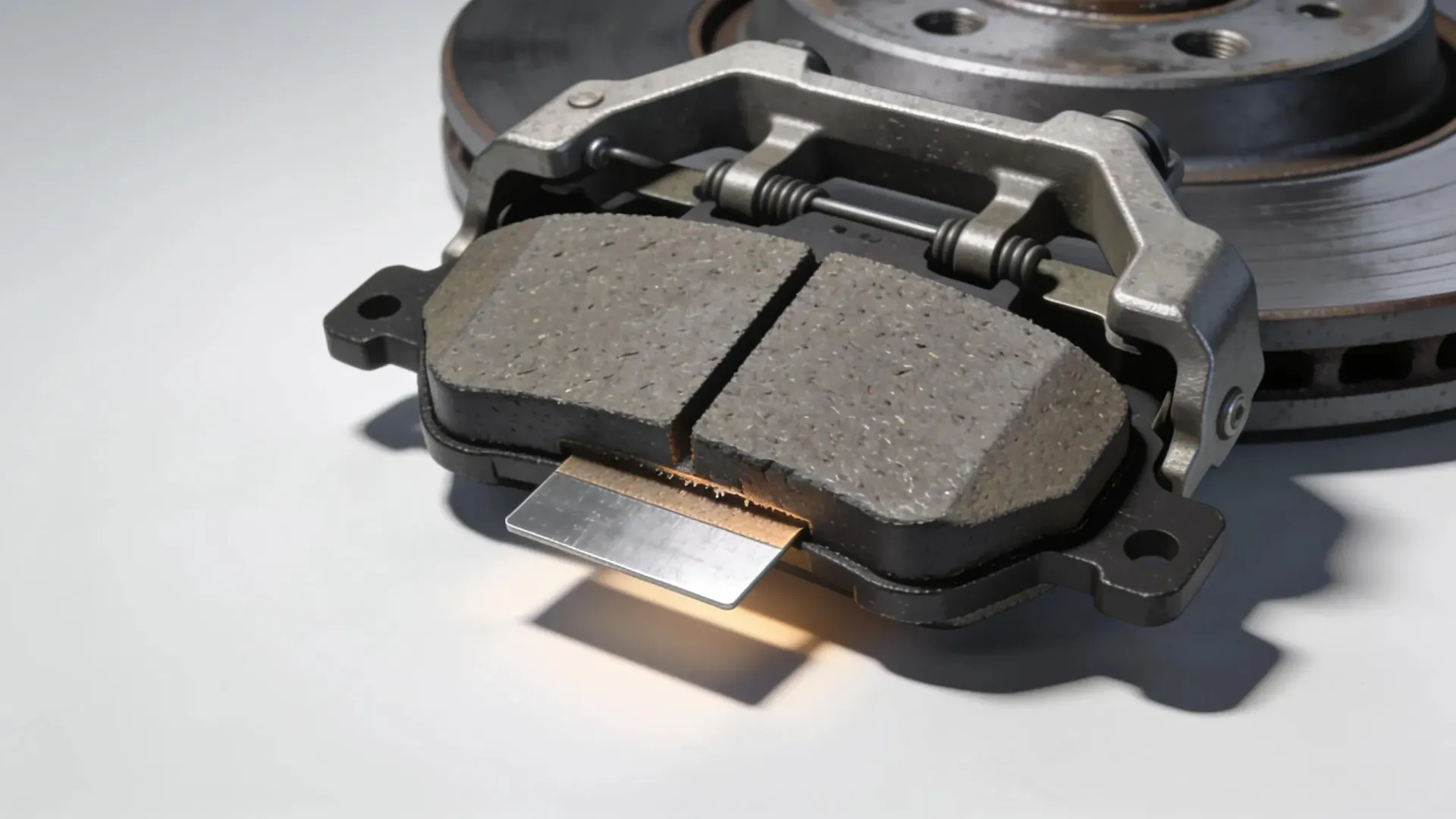
Wear indicators are fitted to many pads to provide an audible warning as the friction material thins. When the indicator contacts the rotor it produces a metal-on-metal squeal that signals the pads have reached a critical depth. Ignoring this warning increases wear on rotors and calipers and can lead to more extensive repairs. Replacing pads promptly after the indicator sounds preserves braking performance and reduces downstream damage.
What Common Brake Noises Indicate Worn Brake Pads?
Brake sounds often reveal the condition of the friction components. Pay attention to the specific noises described below.
- Grinding Sounds: This indicates that the brake pads are too thin and the metal backing is now in contact with the brake rotor, leading to rotor damage.
- Squeaking: A high-pitched squeak often suggests that the pads are nearing the end of their life and need replacement soon.
- Squealing: If the noise is more of a shrieking or squealing sound, this could be an indication of the wear indicators engaging, alerting you to take action.
Such noises are warning signs that the braking system requires inspection and, if necessary, immediate service by a qualified technician.
How Is Brake Pad Thickness Measured to Determine Replacement Needs?
Technicians measure pad thickness with calipers or specialised gauges to determine remaining friction material. New pads typically measure 10 to 12 millimetres. As a practical guideline, replacement is recommended once pad thickness falls below 3 millimetres to maintain reliable braking performance.
What Is the Minimum Brake Pad Thickness Before Safe Driving Is Compromised?
Three millimetres is generally accepted as the minimum safe pad thickness. At or below this level, stopping distances increase and the risk of brake failure rises. Continuing to drive with pads this thin endangers the vehicle occupants and others on the road.
How Do Mechanics Inspect Brake Pads During Routine Brake Service?
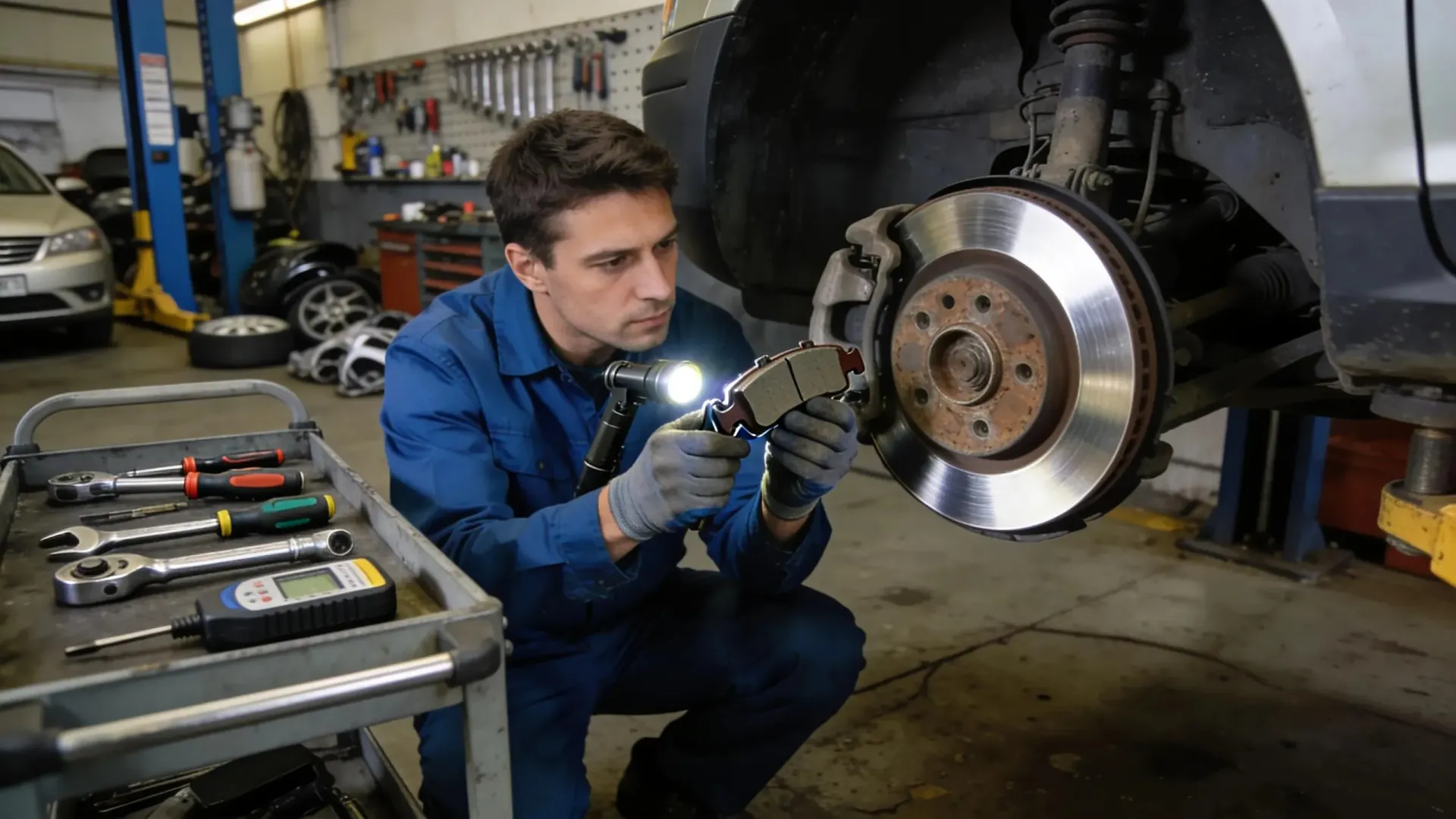
A routine brake service includes a thorough inspection of pad condition as one of its standard checks. The process typically covers the points listed below.
- Visual Inspection: Mechanics assess the pad thickness and check for cracks or unusual wear patterns.
- Physical Measurements: Tools are used to measure the exact thickness of the pads to determine if they need replacement.
- Assessment of Other Components: Alongside brake pads, other components such as rotors and calipers are inspected for signs of damage or wear.
Through a full inspection, technicians evaluate the overall condition of the braking system and recommend any needed repairs or replacements.
How Do Driving Habits and Local Conditions Affect Brake Pad Lifespan?
Your driving style and local environment have a direct effect on how quickly brake pads wear. Frequency of hard stops, stop-and-go traffic, and regional weather all influence pad life.
Which Driving Styles Accelerate Brake Pad Wear?
Aggressive driving patterns increase pad consumption. Common contributors include the behaviours listed below.
- Hard Braking: Frequently slamming on the brakes can quickly decrease pad material.
- Frequent Stop-and-Go Driving: In urban settings where traffic lights and stop signs are common, brakes are engaged more often, leading to faster wear.
- High-Speed Driving: Driving at high speeds and making abrupt stops can increase the strain on braking systems.
These driving habits shorten pad life and require more frequent replacements to maintain safe braking.
How Do Ledgewood NJ Road and Weather Conditions Influence Brake Wear?
Local conditions in Ledgewood, NJ affect pad longevity. Cold winters increase brake use on slippery roads, while poor road surfaces, potholes, and debris lead to harder stops and more frequent braking. Both factors can accelerate wear.
What Are Common Mistakes to Avoid in Brake Pad Maintenance?
Correct brake maintenance reduces safety risks. Several common errors can cause premature pad wear or system damage and should be avoided.
Why Should You Avoid Ignoring Early Brake Wear Signs?
Overlooking early warnings such as squeaks or grinding can produce costly consequences. Replacing pads promptly often prevents rotor damage and other repairs that increase overall expense.
How Can Using Incorrect Brake Parts Affect Safety and Performance?
Fitting non-specified or poor-quality parts compromises braking efficiency and can accelerate wear on other components. Using parts that match manufacturer specifications preserves performance and safety.
What Does the Professional Brake Pad Replacement Process Involve?
Professional replacement follows a defined procedure to ensure correct installation and safe operation. The steps used by trained technicians reduce the risk of post-service issues.
How Do Technicians Replace Brake Pads Safely and Effectively?
Brake pad replacement typically involves these steps:
- Vehicle Preparation: The car is placed on a lift, and the wheels are removed.
- Old Pads Removal: Technicians carefully take off the old brake pads and check for any additional wear or damage on the brake rotor.
- Installation of New Pads: New pads are installed following precise guidelines, ensuring they are correctly positioned and secured.
- Testing: A test run is completed to ensure that the brakes function correctly.
Following each step carefully helps confirm the braking system functions correctly and safely after service.
What Role Do Authentic Parts Play in Brake Pad Replacement Quality?
Using OEM parts affects the fit and performance of the replacement. Parts designed for the vehicle ensure compatibility and consistent braking behaviour. Aftermarket components may not match the same standards and can reduce braking effectiveness.
How Long Do Brake Pads Typically Last and When Should You Schedule Replacement?
Brake pad life varies with driving habits, vehicle type, and road conditions. Inspect pads every 10,000 to 15,000 miles and plan replacement within the typical 30,000 to 70,000-mile range based on observed wear.
What Is the Average Brake Pad Lifespan Based on Usage Patterns?
Pads commonly last between 30,000 and 70,000 miles. Drivers who navigate heavy traffic or steep terrain will typically replace pads more often than those who drive at steady speeds on flat roads.
When Is It Advisable to Contact Ledgewood Car Care and Exhaust for Brake Service?
Contact Ledgewood Car Care and Exhaust if you experience vibrations, unusual noises, or a change in braking response. Prompt inspection and service address problems early and help keep your vehicle safe and reliable.
Frequently Asked Questions
What factors influence the lifespan of brake pads?
Pad life is affected by driving habits, vehicle weight, and local conditions. Frequent hard braking and stop-and-go traffic increase wear. Heavier vehicles exert greater force on brakes, accelerating pad loss. Weather and poor road surfaces, such as those encountered in harsh winters or on poorly maintained roads, also increase pad wear due to more frequent stopping and debris.
Can I replace brake pads myself, or should I seek professional help?
It is possible to replace pads if you have the correct tools and mechanical experience, but professional service is often advisable. Technicians can perform a full inspection of the braking system, use specialised equipment, and ensure the replacement is fitted and tested to maintain safety.
How often should brake pads be inspected?
Inspect brake pads every 10,000 to 15,000 miles as a routine. If you hear unusual noises, notice vibrations, or observe reduced stopping performance, arrange an immediate inspection. Regular checks identify issues before they become serious.
What is the average cost of professional brake pad replacement?
Replacement cost varies by vehicle, local labour rates, and whether OEM or aftermarket parts are used. Expect a typical range of $100 to $300 per axle for parts and labour. Request a detailed estimate before authorising work and consider the longer-term benefits of parts that meet manufacturer specifications.
What signs indicate that I should replace my brake rotors along with brake pads?
Vibrations during braking, grinding noises, or visible rotor damage such as warping or deep scoring indicate that both pads and rotors may require replacement. Worn pads can damage rotors, so a professional inspection will determine whether rotor replacement is necessary.
Are there different types of brake pads, and which is best for my vehicle?
Brake pads are available in organic, metallic, and ceramic compounds. Organic pads tend to be quieter and less costly but may wear faster. Metallic pads handle heat well and offer strong performance but can be noisier. Ceramic pads balance low noise and reduced dust. The appropriate choice depends on vehicle type and driving patterns; consult a professional to select the correct option.
How can I tell if my brake pads are under warranty?
Check the paperwork provided at purchase or any warranty documentation from the manufacturer or retailer. Warranties generally cover manufacturing defects rather than normal wear. If you are unsure, contact the seller or manufacturer for clarification.
Conclusion
Recognising when brake pads need replacement is essential for safe vehicle operation. Monitor for unusual noises, reduced braking performance, and low pad thickness. Regular inspections and professional replacement using parts that meet manufacturer specifications maintain braking reliability. Contact Ledgewood Car Care and Exhaust to schedule an inspection and ensure your brakes remain safe and effective.