Pre-Purchase Inspection Checklist: Essential Used Car Inspection Guide for Buyers
By Rex Pisan, Ledgewood Car Care Center & Exhaust
Buying a used vehicle requires targeted evaluation to avoid unexpected costs and safety risks. A pre-purchase inspection flags mechanical, safety, and structural concerns before you commit. This guide gives a concise checklist, the key systems to review, common fault patterns, and the value a certified mechanic adds to an objective assessment.
Knowing why buyers choose pre-owned vehicles clarifies why a methodical pre-purchase review is necessary.
Used Car Buyer Pre-Purchase Analysis
Research on pre-purchase behaviour examines questions such as why consumers choose to own a car and what motivates the purchase of a used vehicle. The study analyses information search patterns and decision drivers among rural consumers considering pre-owned cars.
PRE-PURCHASE INFORMATION SEARCH BEHAVIOUR OF RURAL CONSUMERS TOWARDS PRE-OWNED CARS., 2013
Key Takeaways
- Inspections uncover faults early and reduce financial risk.
- Hire a certified mechanic for an impartial, technical review.
- Check core systems: engine, transmission, brakes, steering, tires, fluids.
- Look for concealed damage, safety failures, and mechanical warning signs.
- Request a clear, photographed report to support your purchase decision.
- Consider local conditions (climate, roads, regulations) when assessing wear.
- Attend the inspection and bring service records for the best outcome.
Essential Steps:
Follow a short, repeatable process to cover critical checks and avoid omissions.
- Schedule an Inspection: Book a certified mechanic and confirm the inspection scope.
- Prepare the Vehicle: Clean, unlock, and bring service records to speed the assessment.
- Be Present: Observe tests, ask questions, and review the findings with the mechanic.
Key Components to Assess:
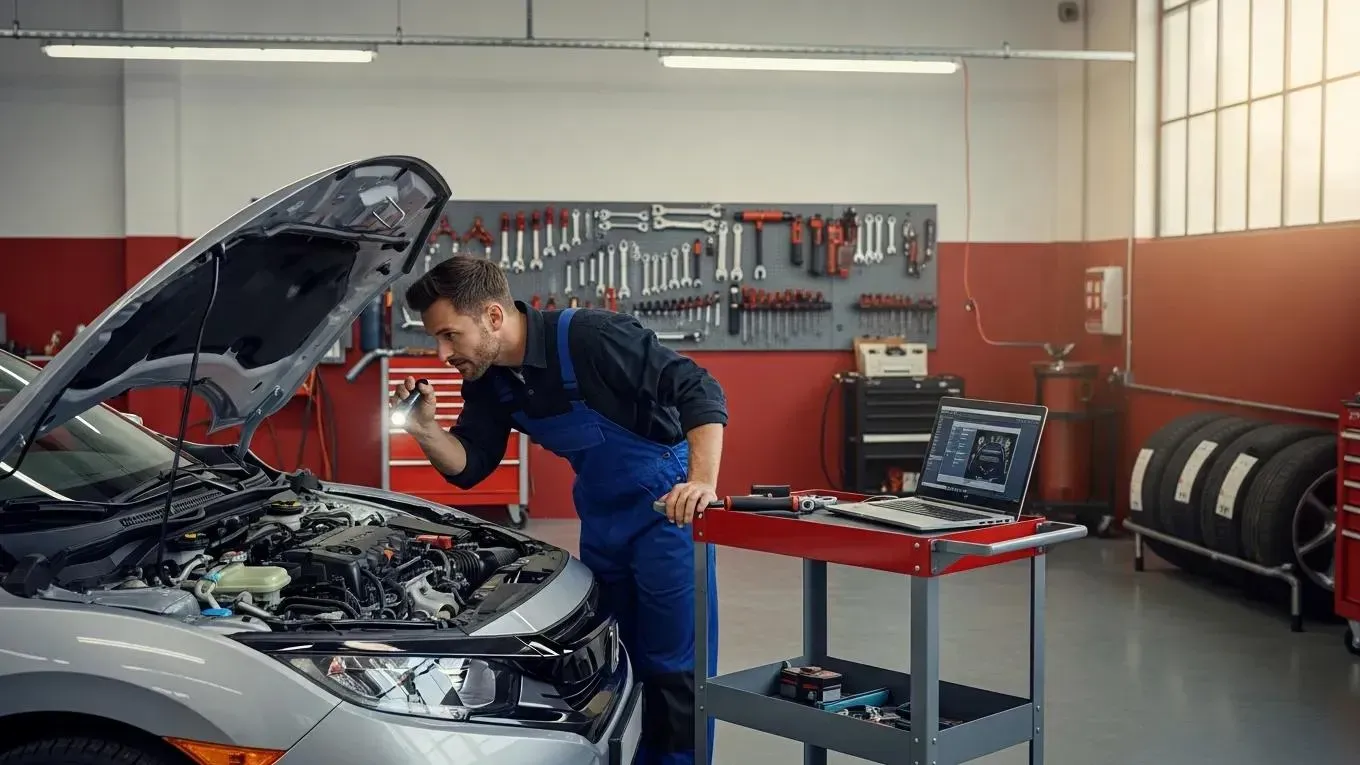
Focus first on systems that affect safety and ownership cost; use diagnostics when needed.
- Engine: Check for leaks, odd noises, smoke, and starting performance.
- Transmission: Verify smooth shifting and absence of slipping or delayed engagement.
- Brakes: Assess pad/rotor wear, pedal feel, and warning lights.
- Steering & Suspension: Test stability, alignment, and shock/strut condition.
- Tires: Measure tread depth; watch for uneven wear that suggests alignment or suspension issues.
- Fluids: Inspect oil, coolant, brake, and transmission fluids for level and contamination.
Common Issues to Look For:
Expect a handful of recurring problems; spotting them early limits repair costs.
- Hidden Damage: Uneven gaps, mismatched paint, or new welds can indicate prior accidents.
- Safety Hazards: Verify airbags, seatbelts, lights, and ABS systems function correctly.
- Mechanical Warnings: Note dashboard warnings, persistent noises, leaks, and poor driveability.
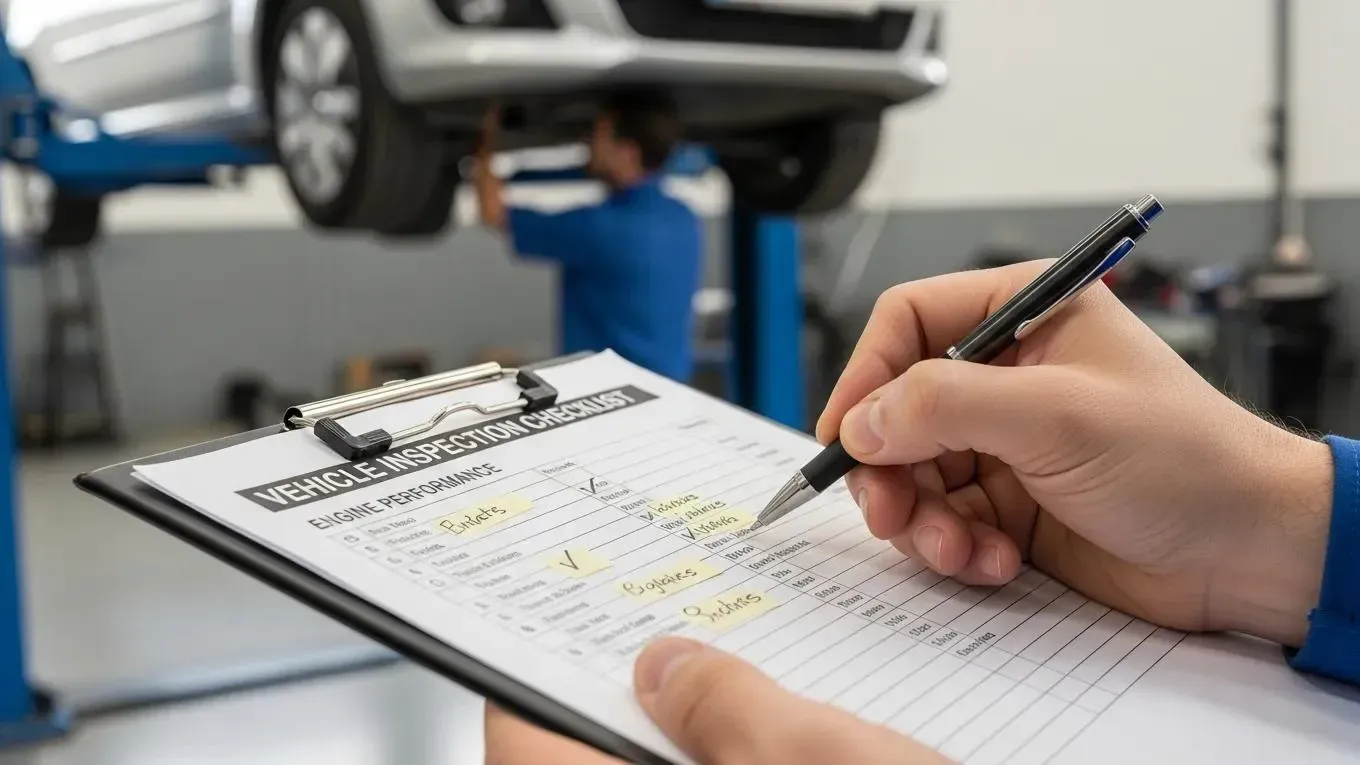
What Are the Key Components of a Comprehensive Vehicle Inspection Checklist?
A complete checklist covers structure, drivetrain, electrical systems, and comfort features in a compact, repeatable format.
- Drivetrain: Engine, transmission, exhaust.
- Chassis: Brakes, steering, suspension, tires.
- Electrical: Lights, gauges, battery, onboard diagnostics.
- Body & Interior: Rust, seals, seats, HVAC, infotainment.
- Documentation: Service history, title, and recall status.
Continuous refinement of inspection checklists is key to improving operational efficiency and buyer satisfaction.
Optimizing Pre-Purchase Vehicle Inspection Checklists
This study examines optimisation of the vehicle inspection workflow at an automotive e-commerce platform in Malaysia. The original process used 251 checkpoints, which caused long customer wait times, inspector fatigue, and operational delays. Extended inspections increased customer dissatisfaction and reduced inspector efficiency. Through systematic review and stakeholder feedback, non-essential checkpoints were removed while maintaining safety and performance coverage.
Optimizing Vehicle Inspection Process: A Case Study at A Certain Company in Malaysia, A Sanuddin, 2025
How to Evaluate Engine Condition and Performance?
Combine visual checks, simple operational tests, and listening for telltale noises. Use basic diagnostics when available.
- Leaks: Inspect under the car and around seals for oil or coolant traces.
- Noises: Knocking, tapping, or grinding point to internal wear or accessory faults.
- Run Quality: Check cold start, idle stability, acceleration response, and smoke on start-up.
Technical studies on engine assessment demonstrate the diagnostic depth required to evaluate a vehicle's primary power unit.
Used Car Engine Performance Assessment
The referenced work discusses a retrofitted spark-ignition engine converted to run on an alternative fuel. It provides comparative performance and emission data for a 1.6 L, four-cylinder petrol engine converted to CNG.
Comparative engine performance and emission analysis of CNG and gasoline in a retrofitted car engine, MI Jahirul, 2010
What Should Be Checked in the Exhaust System and Tire Maintenance?
These systems affect emissions, safety, and ride. Prioritise corrosion, leaks, and wear that impact legality or handling.
- Exhaust: Check hangers, joints, and surface rust; listen for leaks.
- Tires: Verify legal tread depth and inspect for cuts, bulges, or uneven wear.
- Wear Patterns: Uneven wear suggests alignment, suspension, or load problems.
Why Is a Certified Mechanic Crucial for Your Pre-Purchase Vehicle Inspection?
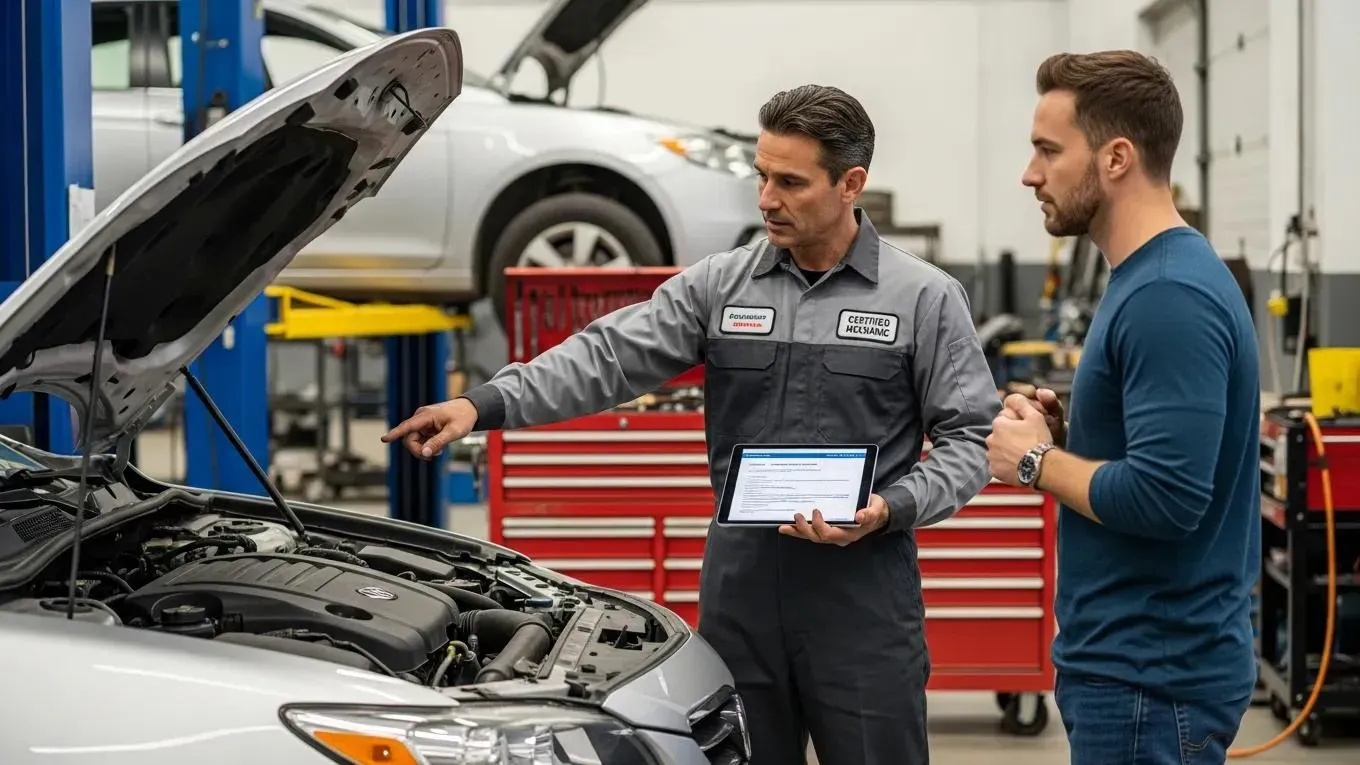
Certified mechanics bring training, diagnostic tools, and a structured process that uncovers issues a casual buyer may miss.
- Professional Detection: They identify subtle signs of wear, poor repairs, and safety faults.
- Safety Assessment: They can test safety systems and confirm roadworthiness.
- Actionable Advice: Mechanics provide repair priorities and estimated costs for negotiation.
What Benefits Do Certified Mechanics Provide in Used Car Evaluations?
Expert inspections create documented, comparable records you can use to evaluate offers and forecast maintenance.
- Consistent Process: Repeatable checks reduce missed items.
- Detailed Reports: Photographs and notes clarify issues for buyers and sellers.
- Better Decisions: Reports help weigh repair cost versus asking price.
How Does Transparent Reporting Enhance Buyer Confidence?
Clear, evidence-based reports lower uncertainty. Visual proof and plain-language explanations let buyers compare vehicles objectively.
- Photos & Notes: Show defect location and severity.
- Measured Data: Tread depth, fluid condition, and diagnostic codes support findings.
- Plain Explanations: Simple summaries explain urgency and likely cost.
What Local Considerations Should Morris County NJ Buyers Know Before Purchasing?
Local climate, road salt, and regional inspection rules affect condition and compliance. Adjust expectations for rust and suspension wear in areas with harsh winters.
- Regulations: Confirm local safety and emissions standards.
- Common Local Wear: Watch for salt-related corrosion and suspension wear.
- Market Factors: Local pricing and demand influence value and negotiation room.
How Does Ledgewood Car Care and Exhaust Support Buyers with Pre-Purchase Inspections?
Ledgewood Car Care and Exhaust offers professional inspections with documented findings to reduce buyer risk and explain repair needs.
- Complete Checks: They cover major systems and provide written findings.
- Clear Reporting: Photographs and prioritized recommendations support decisions.
- Local Expertise: Familiarity with area wear patterns improves assessment accuracy.
What Services Are Included in Our Certified Pre-Purchase Inspection?
Inspections focus on systems that affect safety and ownership cost, with a clear report on findings and recommended actions.
- Engine and transmission checks
- Brake, steering, and suspension evaluation
- Tire and fluid inspection
- Basic electrical and exhaust assessment
How to Schedule Your Vehicle Inspection with Local Experts?
Choose a reputable local mechanic, describe the vehicle and any concerns, and confirm the inspection scope and price before booking.
- Find Inspectors: Check credentials, reviews, and certifications.
- Book: Share VIN, mileage, and seller contact details.
- Prepare: Bring service records and be available to review results.
Frequently Asked Questions
What should I do if the inspection reveals issues with the vehicle?
Get estimates, prioritise urgent repairs, negotiate the price or request fixes, and consider walking away for major structural or safety faults.
How can I prepare for a pre-purchase inspection?
Clean the car, unlock all areas, gather service records and the VIN, and attend the inspection to ask questions and see tests.
Are there specific red flags to look for during a test drive?
Note vibration, pulling, stiff steering, abnormal noises, and dashboard warnings these warrant further diagnostics.
What is the average cost of a pre-purchase inspection?
Costs vary; expect a basic inspection fee that reflects local rates and the inspector's expertise. Confirm what's included before booking
How long does a pre-purchase inspection typically take?
Most inspections take one to two hours; allow extra time to review the report with the mechanic.
Can I trust online reviews when choosing a mechanic for inspection?
Use reviews as a starting point but verify certifications, ask about experience, and seek local recommendations for reliability.
What if I find a better deal after my inspection?
Compare condition, inspection findings, and total ownership cost. Have any alternative vehicle inspected before committing.
Conclusion
Pre-purchase inspections are a practical step to verify safety and value. A certified mechanic's structured check and clear report let you negotiate from an informed position or walk away if the risks are too high. Schedule a professional inspection to protect your investment and gain peace of mind.